—
Title: Missouri Hemp Industry Delivers 10,000 Letters Urging Governor to Veto Product Ban
Site: CBDWorldNews.com
Category: Market & Industry
Primary Keyword: Missouri hemp ban governor veto
Secondary Keywords: HB 2641, intoxicating hemp products, Missouri Hemp Trade Association, Governor Kehoe
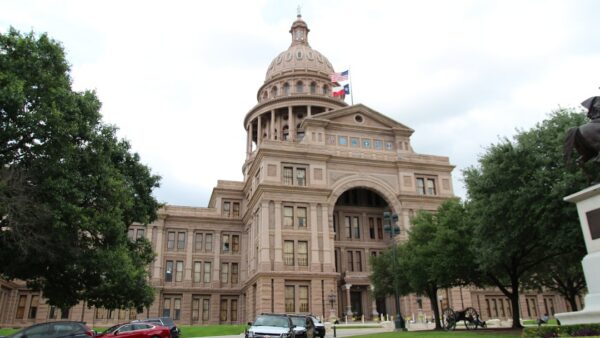
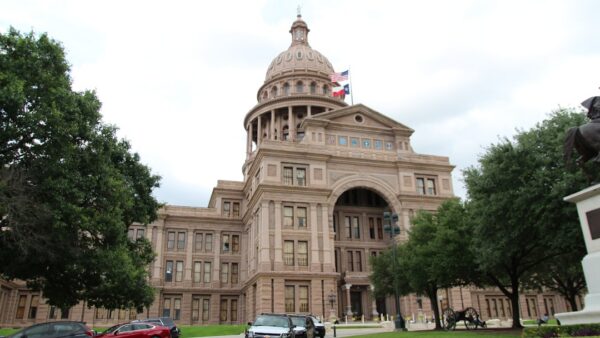
Featured Image Search Term: Missouri state capitol government building
Unsplash Photo ID: GFSNZlLa2Kc
Photographer: Austin Anderson
Unsplash Attribution: Photo by Austin Anderson on Unsplash
Meta Description: Missouri’s hemp industry delivered 10,000 handwritten letters to Gov. Kehoe urging a veto of HB 2641, which would ban intoxicating hemp products statewide.
Tags: Missouri, hemp ban, Governor Kehoe, HB 2641, hemp industry
Word Count: 950
Estimated Read Time: 5 minutes
Internal Links:
- CBDProducts.com guide to finding quality CBD products
- SafeCBD.com understanding state hemp regulations
- CBDWorldNews.com federal hemp ban timeline
—
Missouri Hemp Industry Delivers 10,000 Letters Urging Governor to Veto Product Ban
House Bill 2641 would restrict intoxicating hemp sales to licensed marijuana dispensaries starting November 12, effectively ending the state’s independent hemp retail market.
By CBDWorldNews Editorial Staff | April 16, 2026
The Missouri Hemp Trade Association delivered more than 10,000 handwritten letters to Governor Mike Kehoe’s office on Tuesday, April 15, alongside 2,000 petition signatures. The message was direct: veto House Bill 2641 before it dismantles the state’s hemp product industry.
What HB 2641 Does
The bill passed both chambers of the Missouri legislature with wide margins. If signed, all intoxicating hemp products, including THC seltzers, edibles, and hemp-derived concentrates, would be pulled from general retail shelves starting November 12. Sales would be restricted exclusively to state-licensed marijuana dispensaries.
The timeline aligns with the federal ban on hemp-derived cannabinoid products under the 2026 Extensions Act. Missouri lawmakers drafted the bill to mirror that federal deadline, creating a unified cutoff for the state’s hemp product market.
For independent hemp retailers, the bill is a death sentence. Hundreds of small shops across Missouri sell hemp products as their primary business. They don’t hold marijuana dispensary licenses and have no pathway to obtain one under the current bill.
The Governor’s Position
Kehoe has publicly expressed support for aligning Missouri’s regulations with the incoming federal ban. His office confirmed it is reviewing the bill but has not committed to signing or vetoing. The governor has 15 days from the bill’s official arrival on his desk to act.
> “We built this business legally, followed every rule the state put in front of us, and now they want to hand our customers to dispensaries that didn’t do any of the work to develop this market.” — Missouri hemp retailer
The Missouri Hemp Trade Association framed its campaign around economic impact. The group estimates that the state’s hemp product industry supports more than 3,000 jobs and generates significant tax revenue from retail sales that would disappear under the ban.
Farmers Caught in the Middle
The bill’s impact extends beyond retail. Missouri hemp farmers who grow crops specifically for finished consumer products would lose their primary market overnight. Unlike industrial hemp grown for fiber or grain, these operations produce high-CBD or minor-cannabinoid cultivars tailored to the consumer product supply chain.
Converting those operations to dispensary-approved channels requires licensing, compliance infrastructure, and supply agreements that don’t currently exist. Farmers who planted for this season’s harvest face the possibility that their crops will have no legal buyer by November.
The Missouri Farm Bureau has not taken an official position on the bill, though individual members have voiced opposition through the letter campaign.
How Missouri Compares
Missouri joins a growing list of states grappling with how to handle intoxicating hemp products. Texas is fighting its own regulatory battle in court after DSHS rules effectively banned smokeable hemp products. Several other states have enacted or proposed restrictions on THC-containing hemp products.
The pattern is consistent: state regulators face pressure from licensed cannabis industries that view hemp products as unregulated competition, while hemp businesses argue they operate in a legally distinct market created by the 2018 Farm Bill.
Missouri’s approach stands out for its bluntness. Rather than creating a regulatory framework for hemp products, HB 2641 simply channels them into the existing marijuana system. Critics say this hands market share to dispensaries without addressing the underlying question of how hemp products should be regulated on their own terms.
What Happens Now
The clock runs on the governor’s decision. Hemp industry advocates plan additional outreach this week, including meetings with the governor’s policy staff and a media campaign highlighting jobs at risk.
If Kehoe signs the bill, legal challenges are likely. The Missouri Hemp Trade Association has not ruled out a lawsuit arguing the bill conflicts with federal hemp law, though the strength of that argument depends on how the November federal deadline plays out.
If he vetoes, the legislature could attempt an override, though the timing of the session makes that difficult.
For consumers in Missouri, the immediate impact is uncertainty. Products remain on shelves today. Whether they stay there past November depends on decisions made in both Jefferson City and Washington.
Those interested in understanding what makes a [quality CBD product](https://cbdproducts.com/buying-guides/cbd-quality-checklist) can start by looking for brands that publish complete lab results and maintain [transparent testing practices](https://safecbd.com/brand-transparency).
—
These statements have not been evaluated by the Food and Drug Administration. CBD products are not intended to diagnose, treat, cure, or prevent any disease.