U.S. Hemp Industry Hits $739 Million in 2025, Marking a 64% Rebound
By CBDWorldNews Editorial Staff | April 24, 2026
Floral hemp drove the recovery, accounting for nearly 90% of all outdoor hemp value as harvested acreage climbed 43%.
A new federal report shows the U.S. hemp industry posted a sharp recovery in 2025, with total production value climbing to $739 million. That figure represents a 64% increase from the previous year and marks the first significant rebound after several years of contraction and consolidation.
The Numbers
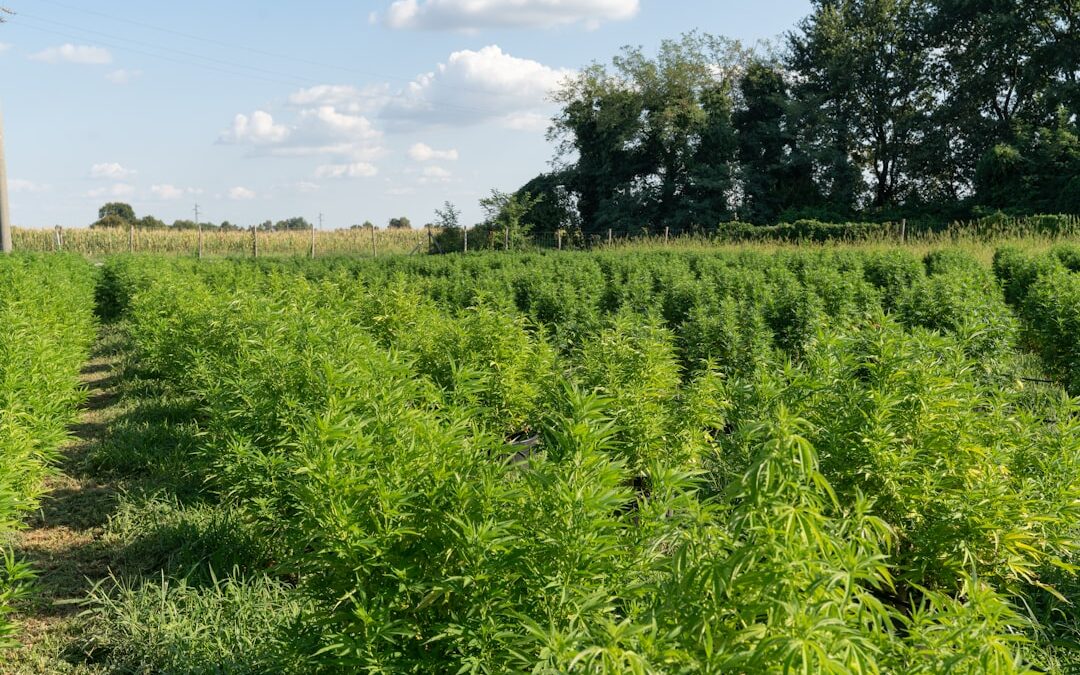
Floral hemp — the category that includes CBD-rich flower — dominated the results. Open-field floral hemp production reached 33.2 million pounds, a 60% jump from 2024. Total outdoor floral hemp value hit $574 million, capturing nearly 90% of all outdoor hemp revenue. Harvested acreage for floral hemp rose 43% to 16,880 acres.
Those numbers tell a clear story: the U.S. hemp industry remains heavily dependent on cannabinoid-rich flower. Industrial hemp applications like fiber and grain, while growing, still represent a fraction of total market value.
What Drove the Rebound
Several factors converged. Consumer demand for CBD products stabilized after years of post-hype correction. Retailers refined their product offerings, dropping low-quality brands and focusing on products with verifiable lab testing and consistent potency. For anyone evaluating hemp-derived products, understanding where hemp comes from matters — CBDProducts.com breaks down hemp sourcing and quality indicators.
Farm-level economics improved as well. The boom-and-bust cycle of 2019-2023 pushed out undercapitalized growers, leaving farms with stronger operations and more realistic expectations. Bankruptcies and consolidation forced the industry to mature, and the remaining producers benefited from reduced competition and more stable pricing.
“After years of boom-and-bust cycles, unrealistic profit expectations are fading. The industry is finally maturing.” — Industry analysis
The $28 Billion Question
The production value figure should not be confused with the total hemp-derived product market. The $739 million represents raw production output at the farm level. The downstream market for hemp-derived THC products alone has been estimated at $28 billion, according to industry tracking. That gap between farm-gate value and retail market size reflects the margins captured by manufacturers, distributors, and retailers.
The $28 billion figure also includes intoxicating hemp products — delta-8 THC, THCA flower, and similar items — that face an uncertain regulatory future. The November 2026 federal compliance deadline threatens to eliminate many of these products from the legal market.
Farm Bill Developments
The 2026 Farm Bill currently moving through Congress could reshape how hemp farmers operate. The current draft directs the USDA to consult with the DEA on lab accreditation for hemp testing, removing the requirement that testing labs hold DEA registration. That change would expand the pool of available labs and reduce testing costs for growers.
The bill also proposes letting hemp farmers self-designate their production type. Growers focused on fiber and grain — “industrial hemp only” — could reduce their sampling and testing requirements through visual inspections or certified seed programs. Those growing cannabinoid-rich flower would remain under stricter testing protocols.
What It Means Going Forward
The rebound is encouraging, but the industry faces crosswinds. The November deadline looms over the cannabinoid segment. Farm Bill negotiations continue with no guarantee of favorable outcomes. And while production value grew, the market remains volatile enough that one regulatory shift could reverse the gains.
For now, the data confirms what many in the industry suspected: reports of hemp’s death were premature. The sector is smaller and leaner than during the 2019 gold rush, but it is generating real revenue from actual demand rather than speculative planting.
These statements have not been evaluated by the Food and Drug Administration. CBD products are not intended to diagnose, treat, cure, or prevent any disease.