Texas Judge Blocks Smokable Hemp Ban, Giving Industry a Temporary Lifeline
By CBDWorldNews Editorial Staff | April 24, 2026
Travis County Judge Maya Guerra Gamble halted enforcement of DSHS rules that had shut down smokable hemp sales statewide since March 31.
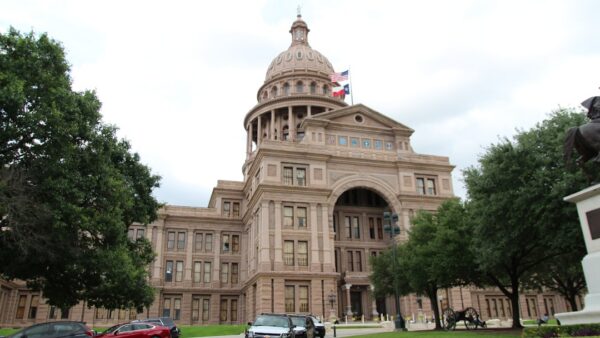
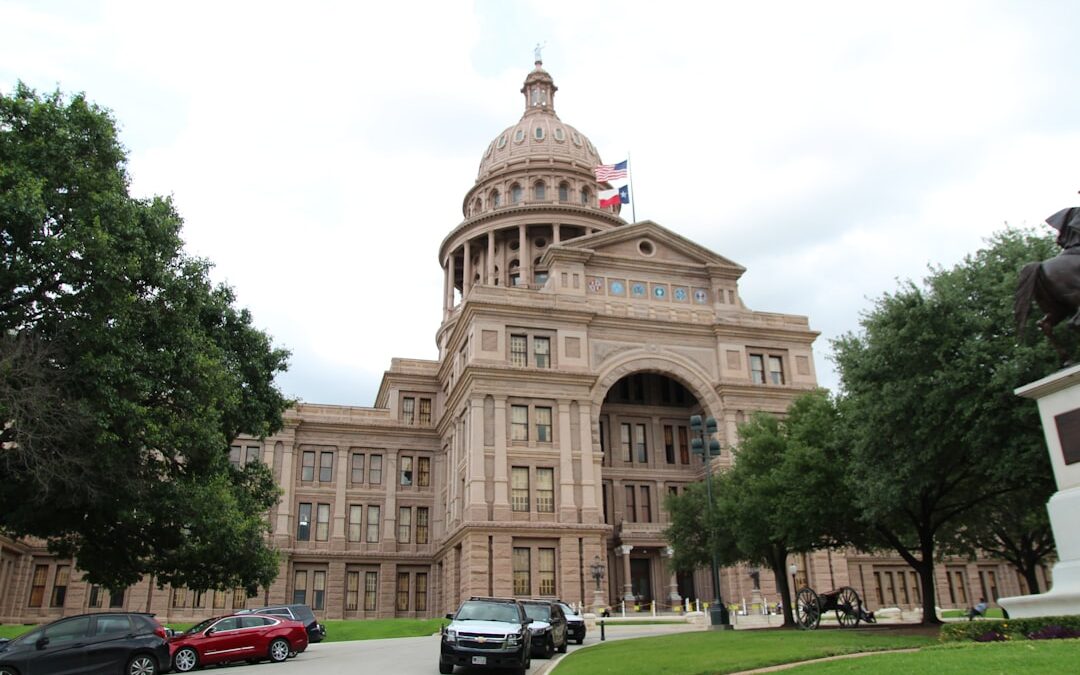
Texas hemp shops reopened their doors to smokable product sales this month after a court order paused the state’s ban on THCA flower, rolled joints, and concentrates. The temporary restraining order, granted April 8 by Travis County Judge Maya Guerra Gamble, blocks enforcement of Texas Department of State Health Services rules that took effect March 31.
What the Ruling Does
The order lifts restrictions on natural smokable hemp products. Flower, pre-rolled joints, and concentrates can be sold again at Texas retailers. Interstate hemp sales, which the DSHS rules had also disrupted, are temporarily unblocked. The ruling also defers licensing fee increases that DSHS had imposed on hemp businesses.
The restraining order runs through at least April 28, with a key hearing scheduled for April 23 to determine whether a longer injunction will follow.
How Texas Got Here
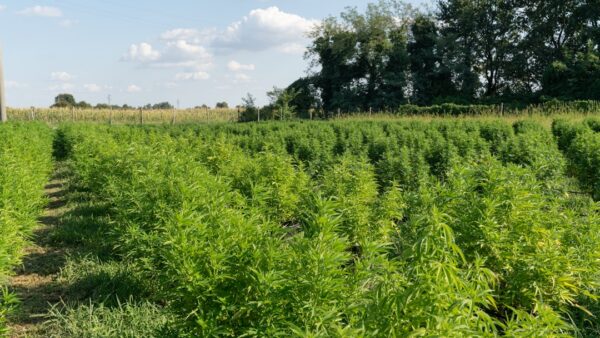
The backstory involves a legal loophole that state officials say caught them off guard. Manufacturers began cultivating hemp plants high in THCA, a precursor compound that converts to THC when heated. A joint rolled from THCA-rich hemp flower can produce the same psychoactive effects as marijuana, even though the raw plant material technically falls under hemp’s legal definition.
Texas lawmakers passed legislation to ban these products, citing concerns about intoxicating hemp reaching minors. Governor Greg Abbott vetoed that bill last summer, then asked the Texas Alcoholic Beverage Commission and DSHS to tighten regulations through administrative rulemaking instead.
“This legal loophole has allowed a recreational THC market to appear overnight without direct approval from the state.” — Texas legislative analysis
The DSHS rules that followed went further than many in the industry expected, effectively banning all smokable hemp products rather than targeting only high-THCA varieties.
Industry Reaction
Hemp retailers across Texas described the March 31 enforcement date as devastating. Some shops reported losing 60% or more of their revenue overnight. The court’s intervention brought immediate relief, though the temporary nature of the order keeps businesses in limbo.
The hemp industry filed suit against the state, arguing that DSHS exceeded its rulemaking authority and that the ban would destroy legitimate businesses. The Texas Supreme Court is expected to consider a related case involving delta-8 THC later this year, which could set broader precedent for hemp-derived cannabinoid regulation in the state.
National Implications
Texas is not the only state wrestling with THCA regulation. The federal government faces its own reckoning with the November 2026 compliance deadline, which will impose strict THC limits on hemp products nationwide. For buyers looking at THCA flower products before potential restrictions take hold, CBDProducts.com published a guide to understanding THCA flower.
What happens in Texas courts could influence how other states approach their own hemp rules. A ruling that DSHS overstepped its authority would signal to regulators elsewhere that banning entire product categories through agency rulemaking — rather than legislation — carries legal risk.
What to Watch
The April 23 hearing will determine whether Judge Gamble extends the injunction. If she does, Texas hemp businesses get more breathing room. If she doesn’t, the DSHS ban snaps back into effect and the industry returns to the crisis it faced in early April.
Either way, the Texas Supreme Court’s eventual ruling on delta-8 could reshape the state’s hemp landscape more fundamentally than any agency rule.
These statements have not been evaluated by the Food and Drug Administration. CBD products are not intended to diagnose, treat, cure, or prevent any disease.