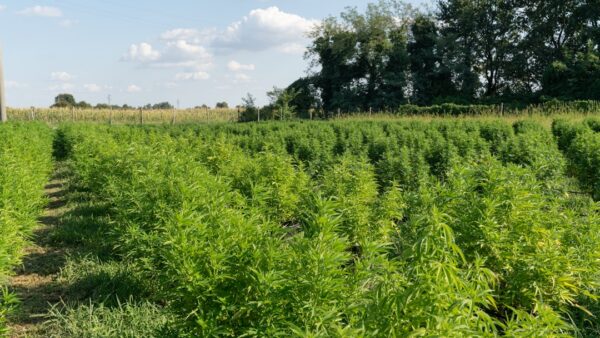
Hemp Farmers Face New Challenges as 2026 Farm Bill Negotiations Continue
Agricultural stakeholders are closely watching 2026 Farm Bill negotiations, with hemp farmers particularly attentive to how federal policy might shift regarding cultivation standards, acreage limits, and compliance requirements. The upcoming Farm Bill represents a critical opportunity to address longstanding challenges in the hemp industry and create a more sustainable regulatory framework for farmers.
The Current State of Hemp Agriculture
Hemp farming has expanded significantly since the 2018 Farm Bill legalized production, transforming agricultural landscapes across the United States. However, farmers continue to face substantial challenges including inconsistent state regulations, market price volatility, and complex testing requirements that vary by jurisdiction.
Many hemp farmers report frustration with the current regulatory environment, which they say creates barriers to profitability and long-term planning. These concerns are driving active participation in Farm Bill discussions, with farmers’ organizations working to ensure agricultural concerns are represented in final legislation.
The hemp industry developed rapidly following 2018 legalization, with farmers initially seeing significant profit potential. However, market maturation and regulatory complexity have created challenges that early-stage agricultural operations struggle to manage. Many farmers have found hemp cultivation more complex than initially expected.
Regulatory Challenges Facing Hemp Farmers
One primary challenge involves testing protocols. Different states maintain different requirements for THC testing, determining hemp flower readiness, and conducting post-harvest testing. These variations complicate interstate commerce and create inefficiencies in the supply chain.
Farmers also face challenges with crop insurance access. Traditional crop insurance has been unavailable to many hemp producers, leaving farmers exposed to weather risks and market volatility without protection mechanisms available to other agricultural producers. This insurance gap creates financial vulnerability.
Compliance documentation requirements are burdensome for many small and mid-sized hemp farmers. The licensing, reporting, and documentation requirements, while necessary for regulatory oversight, impose costs that larger agricultural operations manage more easily than small producers.
Key Issues on the Table
Negotiations are focusing on several critical areas: standardizing testing protocols across states, establishing clear guidelines for hemp-derived products, and creating more flexible acreage frameworks that respond to market demand. Farmers are advocating for policies that recognize hemp’s economic value while maintaining rigorous quality standards.
Additional topics include crop insurance provisions, research funding, and support for value-added hemp product development. These issues directly affect farmer profitability and sustainability.
Many farmers advocate for supportive research and extension programs similar to those available for traditional crops. Expanding agricultural research and extension support for hemp cultivation could help farmers improve yields and reduce losses from disease and pest problems.
Farmer Perspectives and Advocacy Efforts
Many hemp farmers advocate for policies that support sustainable agriculture and fair market competition. Agricultural organizations and farmer groups are collaborating with policymakers to shape regulations that balance industry growth with environmental stewardship.
Farmer testimony before Congress has emphasized the importance of reasonable regulatory frameworks that support rather than hinder agricultural operations. Farmers have called for testing standards that are consistent, accessible, and reasonably priced.
Industry participants are actively engaged in policy discussions to ensure farmer interests are represented in final legislation. Multi-stakeholder collaboration involving farmers, processors, retailers, and regulators appears to be increasing in policy discussions.
State-Federal Coordination Challenges
The current regulatory framework requires farmers to navigate both federal requirements and state-specific regulations. This dual regulatory structure creates complexity and sometimes inconsistency. States implement different THC testing thresholds, certification requirements, and licensing processes.
Farmers operating across state lines face particular challenges, as their hemp must comply with each state’s requirements. Harmonizing state and federal regulations remains a primary advocacy goal for many farmer organizations.
Market Conditions and Farmer Economics
Commodity market prices for hemp flower have declined significantly from early boom prices, affecting farmer profitability. Market saturation in certain regions has pressured prices downward. Many farmers planted more acreage expecting sustained high prices, creating oversupply problems.
However, expanding markets for processed hemp products, hemp-derived ingredients, and specialty products create growth opportunities beyond raw flower. Farmers interested in value-added processing or specialty cultivation have found more stable market opportunities than commodity flower producers.
Environmental Considerations and Sustainable Practices
Hemp cultivation offers environmental benefits compared to some alternative crops, including reduced pesticide needs and improved soil health. Environmental advocates support hemp’s inclusion in sustainable agriculture frameworks, creating potential common ground among diverse stakeholders.
Farm Bill discussions increasingly address sustainability and environmental impact. Hemp’s potential environmental benefits could become central to agricultural sustainability initiatives, providing farmers with additional policy support beyond direct commodity assistance.
Looking Ahead and Timeline
As negotiations continue through 2026, farmers are working with agricultural organizations and policy experts to shape regulations that support sustainable growth and profitability. The outcome of 2026 Farm Bill negotiations will significantly influence hemp’s place in American agriculture for years to come.
Agricultural observers expect significant announcements regarding the Farm Bill during 2026, with final legislation likely emerging in late 2026 or early 2027. Implementation timelines could extend beyond passage as regulations are finalized and agencies establish compliance procedures.
Farmers’ success in advocating for supportive hemp policies could set precedents for how federal agricultural policy addresses emerging crop opportunities. How policymakers ultimately address hemp farming concerns could influence approaches to other specialty agricultural crops.
Conclusion
Hemp farmers face a critical moment as 2026 Farm Bill negotiations proceed. Policy decisions made during these discussions will significantly shape the farming economics and regulatory environment for hemp cultivation for years to come. Active farmer participation in policy discussions remains essential to ensuring that final legislation reflects agricultural realities and supports sustainable farming operations.