Texas Judge Blocks Smokable Hemp Ban, but $5,000 Retailer Fees Remain
Travis County Judge Maya Guerra Gamble granted a temporary restraining order against new DSHS hemp rules, giving the state’s $28 billion industry a reprieve — but not a victory.
By CBDWorldNews Editorial Staff | April 19, 2026
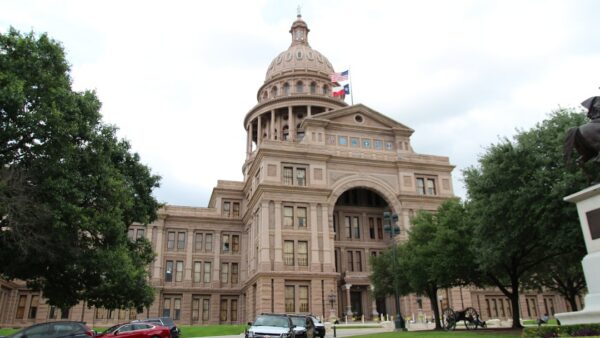
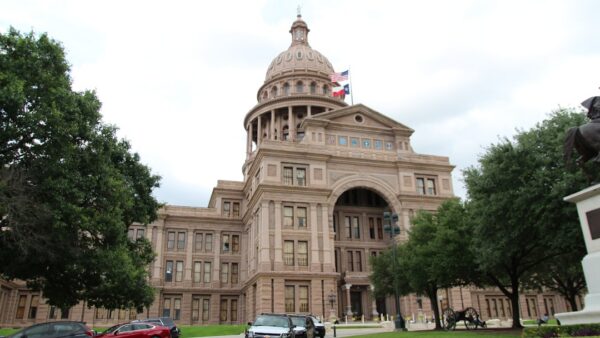
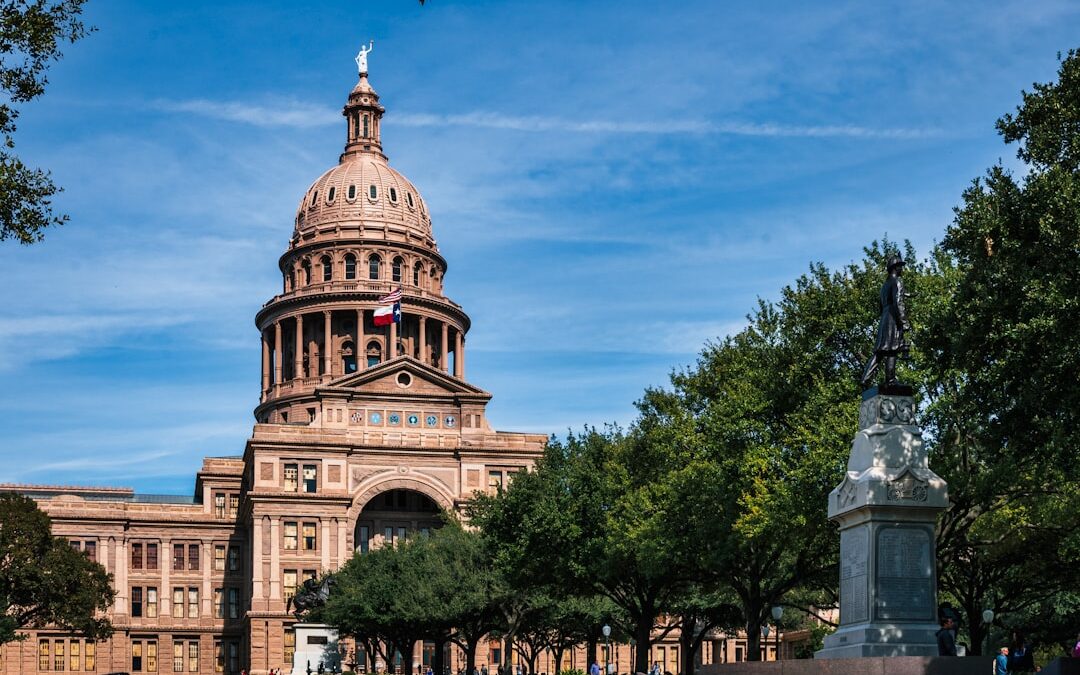
A Travis County judge blocked enforcement of new Texas Department of State Health Services (DSHS) regulations that effectively banned smokable hemp products statewide. The temporary restraining order, issued on April 10, pauses rules that took effect March 31 and restructured how THC levels are calculated in hemp products.
Judge Maya Guerra Gamble’s order halts two major components of the new regulations. She blocked the revised THC calculation method that rendered smokable hemp products like flower and concentrate illegal. She also temporarily unblocked interstate hemp sales that DSHS had restricted.
What Changed on March 31
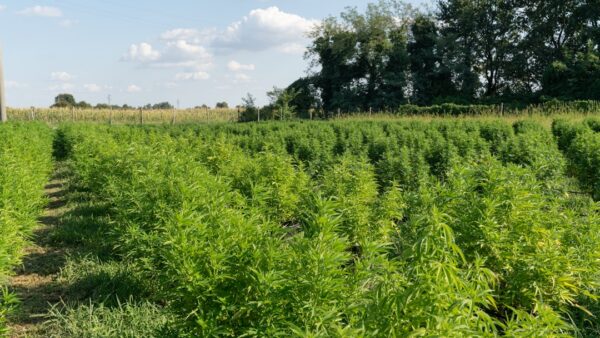
The DSHS regulations altered the THC testing framework for hemp products sold in Texas. Under the new rules, THC levels would be measured using a method that effectively pushed most smokable hemp products — including THCA flower — above the legal threshold.
The rules also introduced annual licensing fees of $5,000 per retail location, a sharp increase from the previous $150. More than 13,000 stores are registered to sell hemp products in Texas, and nearly 800 companies hold manufacturing licenses.
“These rules would force hundreds of businesses to close overnight. The agency exceeded its authority.” — Texas Hemp Business Council, court filing
What the Judge Left in Place
Guerra Gamble declined to block the higher licensing fees, deferring that question to the next hearing on April 23. For retailers already struggling with thin margins, the fee increase from $150 to $5,000 per location represents a significant operational burden.
A single chain with ten locations, for example, would face $50,000 in annual fees — up from $1,500. Industry representatives argue that the fee structure disproportionately affects small businesses and could consolidate the market around larger operators.
The Legal Challenge
The Texas Hemp Business Council and a coalition of businesses and industry groups filed the underlying lawsuit on April 8. Their core argument: DSHS overstepped its regulatory authority when it adopted rules that would effectively eliminate an entire product category without explicit legislative direction.
The plaintiffs also challenged the rulemaking process itself, arguing that DSHS failed to adequately consider public comments and the economic impact on small businesses during the comment period.
Texas Attorney General Ken Paxton’s office is expected to defend the regulations at the April 23 hearing, where the court will decide whether to extend the restraining order into a longer-term temporary injunction while the case proceeds.
Scale of the Texas Hemp Market
Texas operates one of the largest hemp markets in the country. The industry generates an estimated $8 billion in annual economic activity within the state and supports thousands of jobs across cultivation, manufacturing, distribution, and retail.
The temporary restraining order has provided immediate relief to businesses that had begun pulling smokable products from shelves. Multiple retailers reported restocking within days of the ruling.
But the uncertainty continues to weigh on investment decisions. Several hemp manufacturers told industry outlets that they have paused expansion plans in Texas until the legal picture becomes clearer.
Connection to Federal Landscape
Texas’s regulatory turbulence mirrors a broader national pattern. At the federal level, the November 2026 hemp ban will cap THC content at 0.4 milligrams per container for all hemp products nationwide. If that ban takes effect as written, it would make the Texas DSHS rules largely irrelevant — federal law would impose even stricter limits.
The bipartisan Hemp Planting Predictability Act, introduced in January by a coalition that includes both Republican and Democratic lawmakers, seeks to delay the federal ban until 2028. That legislation has not yet received a committee vote.
For consumers navigating this shifting landscape, understanding product testing standards helps ensure that any hemp products purchased meet current legal requirements. Those interested in hemp flower products can find detailed guides on what to look for when evaluating quality and compliance.
What Happens Next
The April 23 hearing will determine whether the restraining order becomes a preliminary injunction — a longer-term pause that could last months while the case works through the court system. The court will weigh the likelihood that the plaintiffs succeed on the merits against the potential harm to both the industry and public health.
If the injunction is granted, Texas hemp businesses would operate under the previous regulatory framework while the case continues. If denied, the DSHS rules would snap back into effect, and businesses would need to comply immediately.
The outcome could influence other states considering similar regulatory approaches to hemp products. Several states have adopted or proposed their own restrictions on smokable hemp in 2026, and a strong judicial ruling in Texas — one of the largest markets — would carry significant weight.
These statements have not been evaluated by the Food and Drug Administration. CBD products are not intended to diagnose, treat, cure, or prevent any disease.