Travis County Judge Blocks Texas Smokeable Hemp Ban, Granting Temporary Relief to 13,000 Retailers
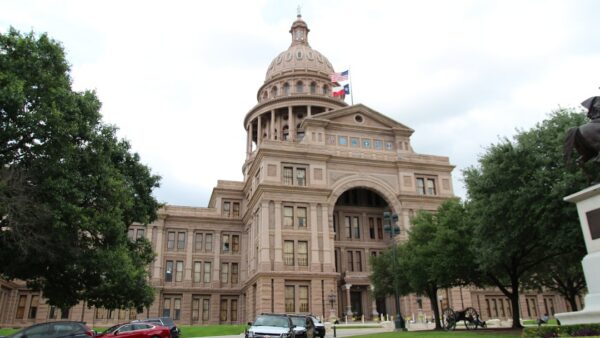
A Travis County district judge granted a temporary restraining order (TRO) blocking enforcement of Texas’s March 31, 2026 smokeable hemp regulations on Friday, April 10. The decision provides relief to over 13,000 registered hemp retailers while a critical April 23 court hearing will determine next steps.
Eight Companies Challenge State Ban
Eight hemp companies and trade groups filed suit against the Texas hemp regulations. Plaintiffs include Alchemy TX Consulting, A to Z Investments and Wholesale, Serenity Organics, TexaKana Organics, Elevate Wellness Dispensary, Texas High Council, Salganik Services, and Wyatt Purp.
The case also involves two major industry organizations: the Texas Hemp Business Council and Hemp Industry and Farmers of America. Both groups represent thousands of businesses affected by the regulatory shift.
The TRO applies statewide. All Texas-licensed hemp retailers continue operating under previous regulatory frameworks while litigation proceeds. Enforcement remains suspended pending the April 23 court hearing.
Texas Hemp Market Faces Regulatory Uncertainty
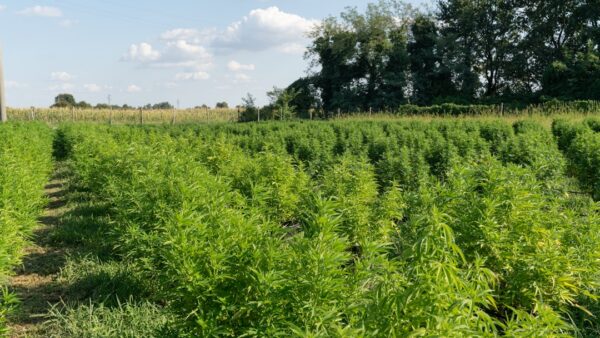
Texas maintains the nation’s largest registered hemp retail network. Approximately 13,000 stores hold licenses to sell hemp products statewide. Nearly 800 companies operate licensed manufacturing facilities.
The state’s regulatory environment has historically favored hemp commerce. Texas exempted hemp-derived products from cannabis restrictions under federal 2018 Farm Bill guidelines. This permissive stance created robust retail and manufacturing sectors.
The March 31 ban targeted smokeable hemp products specifically, not all CBD or hemp derivatives. Products like tinctures, capsules, topicals, and oils remained technically legal under the new rules. However, many retailers bundled smokeable products with comprehensive hemp inventory systems, making selective compliance difficult.
The timing created particular friction. State regulations took effect March 31, preceding anticipated federal policy clarifications by several months. Federal timelines suggest November 2026 will bring additional hemp regulatory decisions. Texas’s early state action contradicted expected federal harmonization.
Constitutional and Commerce Concerns
Plaintiffs argue the state ban conflicts with federal hemp law and violates interstate commerce principles. The Farm Bill established federal hemp standards based on delta-9 THC content (0.3% maximum), not delivery method.
Legal experts note Texas lacks clear statutory authority to prohibit smokeable hemp products compliant with federal specifications. The state created regulations without corresponding legislative authorization, raising separation-of-powers questions.
Commerce clause arguments gain strength from federal precedent. Federal hemp supremacy creates difficulty for states restricting Farm Bill-compliant products. Courts have historically disfavored state restrictions conflicting with established federal frameworks.
Plaintiffs also cited potential revenue impacts and industry disruption. Texas hemp businesses had invested capital in inventory, retail infrastructure, and manufacturing processes under the previous legal regime. The sudden regulatory change threatened substantial business investments with minimal transition period.
Pet CBD Market Expansion Parallels
While Texas courts address smokeable hemp regulation, parallel developments highlight broader CBD market expansion. Maryland’s legislature unanimously passed veterinary CBD protection legislation in March 2026, representing significant regulatory momentum beyond the Lone Star State.
Maryland’s action enables veterinary professionals to recommend hemp-derived CBD products to pets. The state joins leading jurisdictions recognizing animal health applications for regulated hemp products.
The pet CBD market reached an estimated $600 million in 2026. Industry projections calculate 33% compound annual growth rates through 2030. These growth forecasts depend on stable regulatory environments supporting retail and manufacturing operations.
Recent research documented CBD’s potential benefits for companion animals. A comprehensive study of 47,000 dogs revealed associations between long-term CBD use and reduced aggression behaviors. The findings suggest CBD may address behavioral concerns in pets without pharmaceuticals.
Regulatory Fragmentation Creates Business Challenges
Texas retailers operated under clear regulatory guidelines since hemp legalization. The sudden March 31 ban created immediate operational crisis. Retailers faced inventory decisions, employee schedules, and customer communication challenges.
Some retailers paused smokeable product sales despite the TRO, fearing retroactive liability exposure. Others maintained normal operations, calculating legal risk as manageable given court-granted relief.
Manufacturers faced similar uncertainty. Production facilities invested in smokeable hemp processing equipment. Supply chain relationships with distributors and retailers depended on product legality. The regulatory shift threatened these business relationships.
The TRO provides breathing room. Retailers can continue operations while courts resolve fundamental questions about state regulatory authority. Manufacturers can maintain production schedules pending final judgment.
April 23 Hearing Sets Legal Direction
The critical April 23 court hearing will explore merits of the state ban. Oral arguments will address constitutional questions, federal preemption, and interstate commerce concerns.
The judge might grant a more permanent injunction blocking state enforcement. Alternatively, the court could allow the ban to proceed, forcing appeals and potential federal litigation. An intermediate outcome might permit smokeable hemp under specific conditions.
Federal litigation risk remains present. If Texas prevails at state level, plaintiffs could appeal to federal courts. Farm Bill preemption arguments gain strength in federal jurisdictions accustomed to interpreting federal statutory schemes.
Texas courts might also consider rulemaking authority. The state could potentially allow smokeable hemp products while implementing quality standards, testing protocols, or age restrictions. Regulatory modifications might address statutory concerns while preserving hemp commerce.
Broader Implications for Hemp Regulation
Texas represents the largest hemp market facing major regulatory disruption. The outcome influences regulatory approaches in other states considering comparable restrictions.
Kentucky, North Carolina, and other hemp-producing states watch Texas litigation closely. State regulators must balance hemp commerce development against policy concerns. Texas courts’ decisions provide legal precedent for other jurisdictions.
Federal enforcement priorities also shape state regulatory decisions. The DEA’s reluctance to aggressively enforce farm bill-compliant hemp production creates regulatory space for state variation. However, federal preemption doctrine limits state authority to restrict federally-legal products.
The CMS Medicare initiative announced in April adds federal healthcare legitimacy to hemp products. This federal endorsement strengthens legal arguments supporting hemp commerce at state level. States restricting federally-approved medications face heightened legal exposure.
Industry Response and Outlook
Texas hemp businesses expressed cautious optimism regarding the TRO. Retailers reported restored operational confidence pending final resolution. Manufacturers resumed production planning assuming continued market access.
Trade organizations indicated willingness to engage regulatory discussions with state agencies. Hemp Business Council representatives stated desire for reasonable regulations preserving retail and manufacturing sectors.
Possible compromise solutions emerged during preliminary legal discussions. Proposals included testing requirements, age restrictions, packaging standards, or potency limits. These regulatory frameworks could address state concerns while preserving smokeable hemp commerce.
The April 23 hearing represents a crucial inflection point for Texas hemp commerce. Retail employees face uncertain employment situations pending resolution. Manufacturers must decide on continued investment in Texas operations.
Court-ordered relief provides temporary stability. Final judicial decisions will determine whether Texas hemp businesses recover to pre-March status or adapt to more restrictive operating environments.
These statements have not been evaluated by the Food and Drug Administration. CBD products are not intended to diagnose, treat, cure, or prevent any disease.