—
Title: Texas Judge Temporarily Blocks Enforcement of Smokeable Hemp Ban
Site: CBDWorldNews.com
Category: Regulation & Policy
Primary Keyword: Texas smokeable hemp ban blocked
Secondary Keywords: hemp regulation Texas, DSHS hemp rules, smokeable hemp products, Travis County ruling
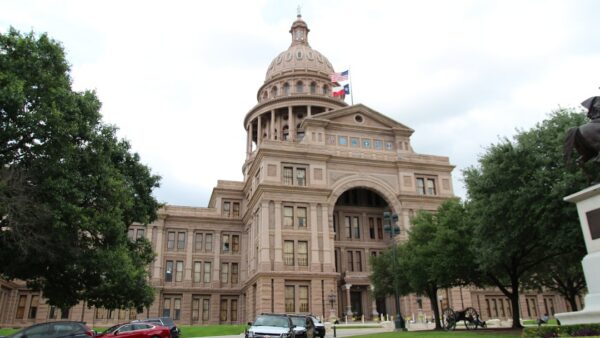
Featured Image Search Term: Texas courthouse legal gavel law
Unsplash Photo ID: SFjYRiyl3T4
Photographer: Natilyn Hicks Photography
Unsplash Attribution: Photo by Natilyn Hicks Photography on Unsplash
Meta Description: A Travis County judge granted a temporary restraining order blocking Texas DSHS from enforcing new rules that effectively banned smokeable hemp.
Tags: Texas, hemp regulation, smokeable hemp, legal challenge, DSHS
Word Count: 980
Estimated Read Time: 5 minutes
Internal Links:
- CBDProducts.com smokeable hemp product reviews
- SafeCBD.com understanding hemp lab testing
- CBDWorldNews.com federal hemp ban coverage
—
Texas Judge Temporarily Blocks Enforcement of Smokeable Hemp Ban
A Travis County court halts new DSHS rules that changed THC calculation methods and raised retailer fees from $150 to $5,000 per location.
By CBDWorldNews Editorial Staff | April 16, 2026
A Travis County judge issued a temporary restraining order on April 10 that blocks enforcement of sweeping hemp regulations introduced by the Texas Department of State Health Services. The rules, which took effect March 31, effectively prohibited the sale of smokeable hemp products across the state by changing how THC levels are calculated.
How the Rules Changed
The DSHS regulations shifted THC measurement from a dry-weight basis to a total-THC-per-serving standard. Under the previous framework, hemp flower testing below 0.3% total THC on a dry-weight basis qualified as legal hemp. The new rules applied a calculation method that most smokeable hemp products could not pass.
The regulations also introduced annual fees of $5,000 per retail location, a dramatic increase from the previous $150 fee. For small businesses operating multiple locations, the combined cost threatened to shut them down before any product testing even occurred.
Texas hemp companies filed suit on April 8, arguing the rules exceeded the agency’s statutory authority and were adopted without adequate notice or public comment.
The Court’s Reasoning
The judge found that plaintiffs demonstrated a probable right to relief and that irreparable harm would occur without the restraining order. Hemp businesses faced immediate loss of inventory, customer relationships, and revenue with no guarantee of recovery if the rules were later found invalid.
> “The economic damage to these businesses is not theoretical. It is happening now, and it cannot be undone with a later court order.” — Excerpt from court proceedings
The temporary restraining order prevents DSHS from enforcing the new THC calculation method and the increased fee structure. A hearing on a broader temporary injunction is scheduled for April 23.
$180 Million Industry at Stake
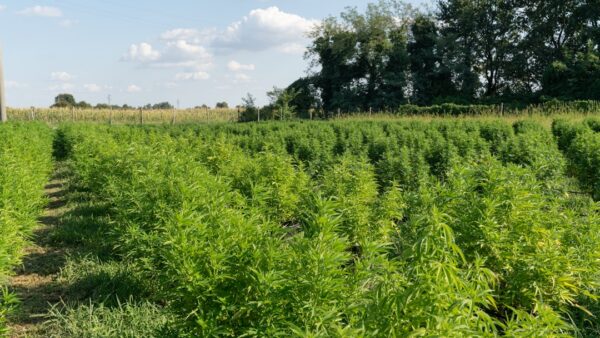
Texas built a substantial hemp economy since the 2018 Farm Bill opened the door. THC seltzers, edibles, flower, and concentrates generated an estimated $180 million in annual sales across the state. Hundreds of small businesses, from farmers to retailers, depend on that revenue.
The DSHS rules threatened to collapse that market overnight. Retailers reported pulling products from shelves immediately after March 31, uncertain whether selling existing inventory would expose them to penalties.
The lawsuit united a cross-section of the Texas hemp industry. Farmers who grow hemp specifically for smokeable products, manufacturers who process it, and retailers who sell it all joined as plaintiffs or filed supporting declarations.
Federal Deadline Adds Pressure
The Texas fight unfolds against a federal backdrop that makes the stakes higher. Hemp-derived cannabinoid products face a nationwide ban on November 12 under the 2026 Extensions Act unless Congress passes new legislation.
If Texas enforces its state-level ban and the federal ban takes effect, the state’s hemp industry faces extinction from two directions simultaneously. Companies that survive the state challenge could still lose their product category at the federal level months later.
Industry advocates argue this overlap makes state-level bans particularly destructive. Businesses that invest in fighting the Texas rules may have limited resources left to weather a federal prohibition.
What Comes Next
The April 23 hearing will determine whether the temporary restraining order converts to a temporary injunction, which would extend the block on enforcement through a full trial. Legal observers expect the case to hinge on whether DSHS followed proper rulemaking procedures and whether the new THC calculations align with the agency’s statutory mandate.
Several Texas legislators have signaled interest in legislative solutions that would override the DSHS rules. However, the legislature is not currently in regular session, limiting immediate legislative options.
For hemp businesses across the state, the restraining order provides breathing room but not certainty. Products remain on shelves for now. The deeper questions about how Texas will regulate hemp long-term remain unanswered.
Consumers looking for reliable hemp products should prioritize brands that publish [third-party lab results](https://safecbd.com/how-to-read-coas) and maintain transparency about their sourcing and testing practices. For those exploring the broader [CBD product landscape](https://cbdproducts.com/reviews), understanding what separates quality products from questionable ones starts with lab verification.
—
These statements have not been evaluated by the Food and Drug Administration. CBD products are not intended to diagnose, treat, cure, or prevent any disease.