CBDWorldNews Editorial Staff | May 7, 2026
House Votes 224-200 to Pass Sweeping Agriculture Bill
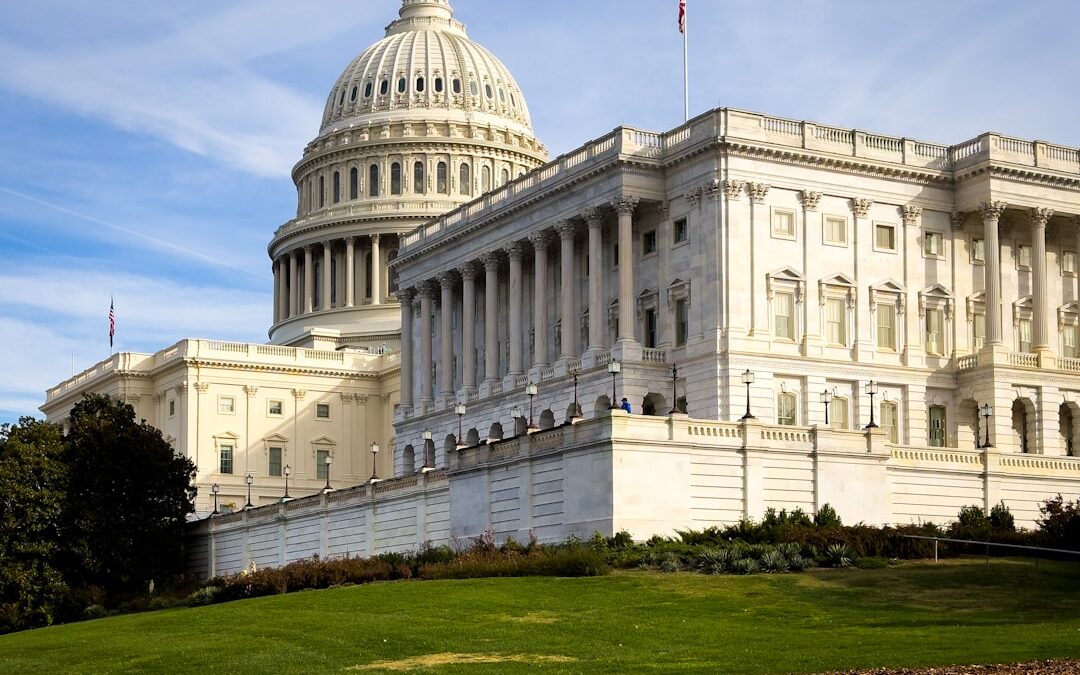
The U.S. House of Representatives voted 224-200 on April 30 to pass the Farm, Food, and National Security Act of 2026, sending the most significant hemp legislation in nearly a decade to the Senate. The bill keeps its controversial ban on intoxicating hemp-derived products and rewrites the federal definition of hemp for the first time since the 2018 Farm Bill.
Hemp businesses across the country had spent months lobbying to soften the language. They failed. The measure moves forward with restrictions that industry groups say could wipe out thousands of jobs and billions in annual revenue by November.
What the New Definition Means
The bill replaces the old delta-9-only THC threshold with a “total THC” standard. Under the new language, hemp is defined as Cannabis sativa L. with a total THC concentration of no more than 0.3% on a dry weight basis. That total now includes tetrahydrocannabinolic acid (THCA) and delta-8 THC, both of which were excluded under the 2018 framework.
For finished consumer products, the bill sets a ceiling of 0.4 milligrams of total THC per container. That limit would effectively ban most hemp-derived edibles, beverages, and tinctures currently on store shelves.
“The $28 billion hemp industry faces an existential threat from a provision that treats a CBD gummy the same as a controlled substance.” — U.S. Hemp Roundtable
A Two-Track System for Hemp
The legislation draws a hard line between industrial hemp grown for fiber and grain and hemp cultivated for cannabinoid extraction. Fiber and grain operations get regulatory relief: reduced paperwork, streamlined USDA oversight, and fewer testing burdens.
Cannabinoid-linked crops face the opposite trajectory. Growers producing hemp for CBD, delta-8, or other cannabinoid products would need to meet the new total THC standard and navigate tighter compliance rules. The bill gives the USDA authority to set additional requirements through rulemaking.
Industry analysts describe it as a “two-tier” approach that rewards traditional agriculture while squeezing the cannabinoid sector.
The November Deadline
Unless the Senate makes changes, the vast majority of hemp-derived cannabinoid products currently sold in the U.S. will become federally unlawful on November 12, 2026. That date marks one year from when the appropriations language first took effect.
Several proposals aim to delay or soften the blow. The Hemp Planting Predictability Act (H.R. 7024), introduced in January, would push the effective date to November 2028 by replacing “365 days” with “three years.” Senator Ron Wyden has proposed an alternative framework that would cap consumable hemp products at 5 milligrams of THC per serving rather than banning them outright.
Neither proposal has gained enough traction to change the House bill’s trajectory.
Industry Fallout
The hemp sector supports roughly 320,000 American jobs and generates $28.4 billion in market activity, according to the U.S. Hemp Roundtable. State governments collect an estimated $1.5 billion in tax revenue from hemp-related commerce each year.
Small-batch manufacturers, retail shops, and hemp farmers have begun preparing contingency plans. Some companies are shifting production toward compliant product formats. Others are stockpiling inventory ahead of the deadline. A handful have already announced layoffs.
If you’re wondering how these regulatory changes affect the products you buy, CBDProducts.com has published buying guides that track which brands meet evolving compliance standards. For questions about lab testing and product safety under the new rules, SafeCBD.com maintains updated COA resources.
What Happens Next
The Senate has not yet scheduled hearings on the Farm Bill. Agricultural committees in both chambers have signaled interest in bipartisan negotiations, but the hemp provisions remain a sticking point. Hemp advocates are focusing their lobbying efforts on the Senate, where several members have introduced competing bills to preserve some form of legal hemp commerce.
The clock is ticking. With fewer than six months until the November deadline, the industry’s window for legislative relief is narrowing fast.
These statements have not been evaluated by the Food and Drug Administration. CBD products are not intended to diagnose, treat, cure, or prevent any disease.


