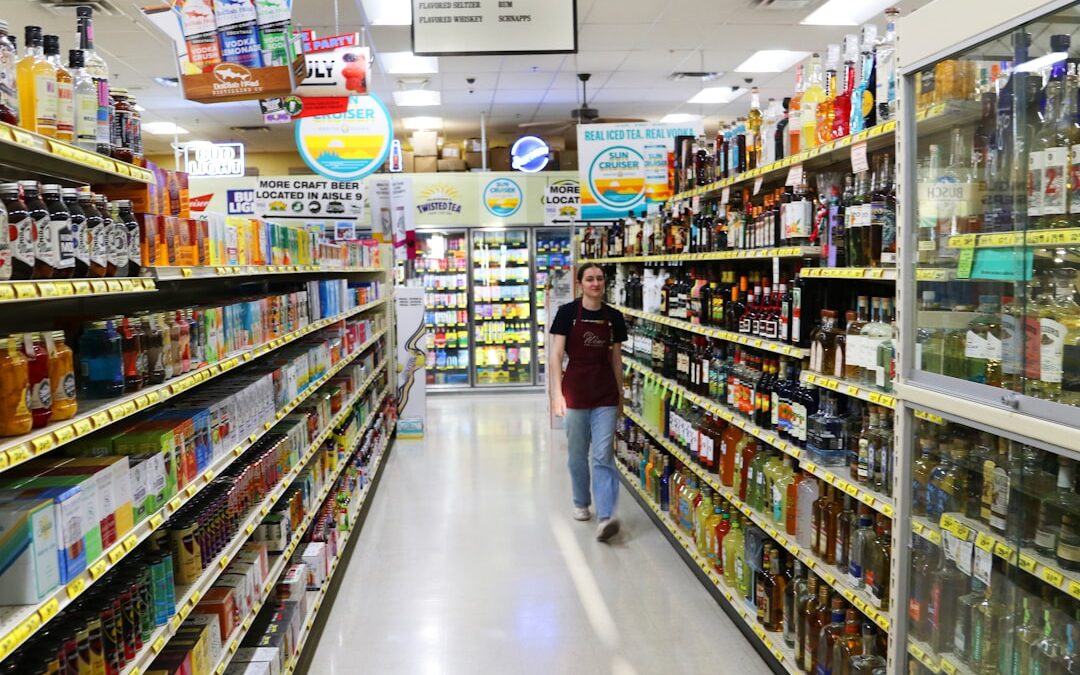
Target has expanded sales of hemp-derived THC beverages to more than 300 stores across Florida, Texas, and Illinois, marking the retailer’s most aggressive move yet into the fast-growing hemp drink category. The expansion covers every Target location in Florida and Texas, plus all Illinois stores where local regulations allow intoxicating hemp product sales.
From Minnesota Pilot to National Push
The rollout builds on Target’s pilot program, which started at 10 Minnesota stores in late 2024. The company later secured licenses from the Minnesota Office of Cannabis Management to sell lower-potency hemp products at all 72 of its stores in the state.
The initial Minnesota launch featured beverages capped at 5 milligrams of THC per serving. Over the winter, Target expanded to 10-milligram varieties. Brands carried include Birdie, Cann, Find Wunder, Gigli, Hi Seltzer, Indeed, Wyld, and Wynk, among others.
The new three-state expansion represents a dramatic scaling of the concept. Florida alone has more than 200 Target locations, making it the single largest market in the rollout.
Why Now?
The timing has caught industry observers off guard. Congress passed a provision in November 2025 that will federally ban hemp products containing more than 0.4 milligrams of total THC per serving, effective November 12, 2026. That deadline is now fewer than six months away.
“Target is making a $100 million bet that either the ban gets delayed or a regulatory framework replaces it.” — Industry analyst quoted in BevNET
Sources familiar with Target’s strategy report the company plans to mark down its intoxicating hemp inventory in October if no regulatory solution materializes. The approach suggests Target views the category as a calculated risk worth taking for the near-term revenue and consumer data it generates.
A Market Too Big to Ignore
Target’s bet aligns with the broader trajectory of the hemp beverage market. The category has grown from a niche offering to a mainstream retail staple in under two years. Hemp-derived THC seltzers and tonics now appear in grocery chains, convenience stores, and liquor shops across dozens of states.
The appeal for retailers is clear. Hemp beverages carry strong margins and attract a demographic that overlaps with craft beer and wellness drink buyers. They also don’t require the complex licensing infrastructure of cannabis dispensaries.
For consumers in states without legal recreational cannabis, hemp-derived THC drinks represent the most accessible legal option. Florida and Texas both fall into this category, which helps explain why Target chose those markets first.
Regulatory Chess
Target’s expansion also functions as a political signal. A major mainstream retailer placing hemp THC drinks on shelves in three of the nation’s most populous states adds significant corporate weight to the argument for regulation over prohibition.
The bipartisan Hemp Planting Predictability Act, introduced in both the Senate and House, seeks to delay the November ban by two years. Supporters argue the industry needs time to develop a workable regulatory framework. The HEMP Act, introduced by Representatives Morgan Griffith and Marc Veasey, would create an FDA-supervised pathway for hemp-derived cannabinoid products with specific THC and CBD limits per serving.
Whether Target’s move accelerates legislative action remains to be seen. But the optics of a Fortune 50 company building out hemp beverage programs while smaller operators prepare to shutter stores adds urgency to the debate.
What It Means for the Industry
Target’s expansion validates the hemp beverage category in a way that no startup or specialty retailer could. When the country’s eighth-largest retailer stocks a product in 300-plus stores, suppliers scale up, distributors invest, and competing retailers take notice.
The risk, of course, is that the November ban proceeds as scheduled and all of that infrastructure unwinds. But the growing consensus among industry observers is that a full ban on all hemp-derived THC products is politically untenable, especially when companies like Target are treating the category as a permanent part of their shelf sets.
For lab-tested, compliant hemp beverages, the Target expansion is a strong signal that the mainstream retail channel is open for business — at least for now.
These statements have not been evaluated by the Food and Drug Administration. CBD products are not intended to diagnose, treat, cure, or prevent any disease.


