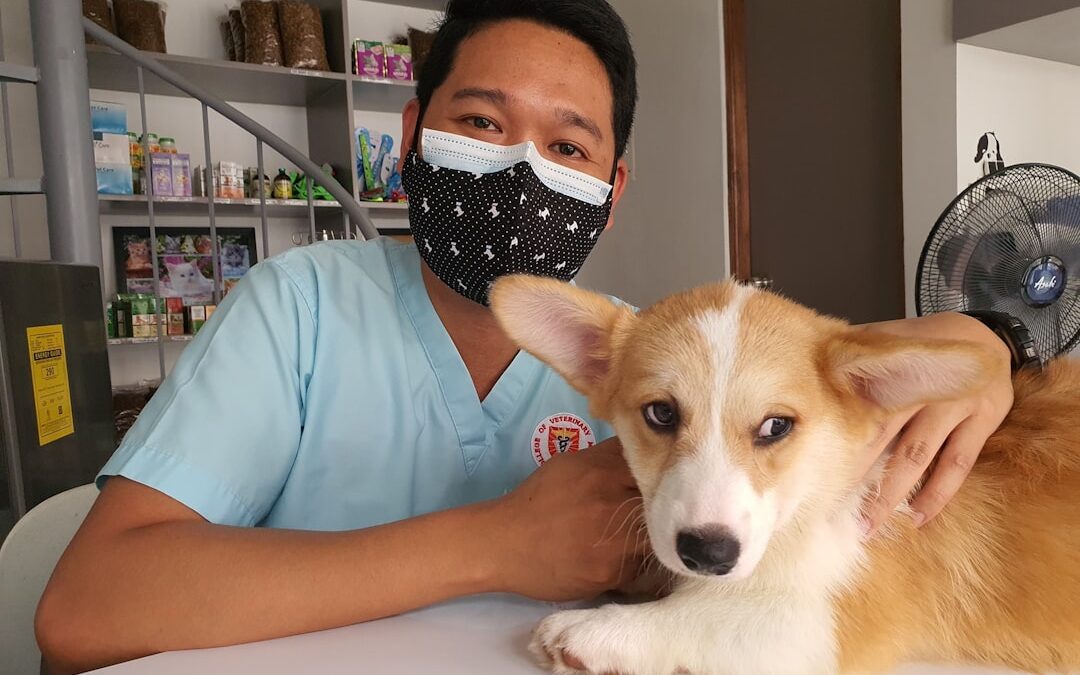
Maryland Passes Law Protecting Veterinarians Who Discuss CBD With Pet Parents
Maryland delegates unanimously approved a bill shielding veterinarians from licensing board discipline when they discuss cannabis-based treatment options with pet parents — a move that could reshape the vet-client conversation around CBD for animals nationwide.
By CBDWorldNews Editorial Staff | May 6, 2026
What the Law Does
The bill, passed unanimously by Maryland delegates in March 2026, creates a straightforward protection: veterinarians cannot face disciplinary action from the state licensing board for discussing cannabis or CBD treatment options with their clients. The law does not allow vets to prescribe cannabis products or dispense them directly. It protects the conversation itself.
That distinction matters. Across most of the country, veterinarians operate in a legal gray zone when pet parents ask about CBD. The American Veterinary Medical Association has noted that federal restrictions on cannabis create uncertainty about what veterinarians can safely recommend or even discuss. Many vets have avoided the topic entirely, worried that a single complaint to their state board could put their license at risk.
Maryland’s law removes that risk for vets practicing in the state.
Why Vets Have Stayed Quiet
The hesitation among veterinarians has not been about skepticism toward CBD. A growing body of research supports its potential for specific conditions in dogs and cats. The problem has been legal exposure.
Until now, many veterinarians avoided discussing CBD with pet parents entirely — not because they doubted the science, but because they feared losing their license over a single board complaint.
State veterinary licensing boards hold broad authority over professional conduct. Without explicit protection, a vet who recommends CBD oil for a dog’s arthritis pain could theoretically face a professional conduct review. The likelihood of that happening varied by state, but the uncertainty alone was enough to keep many practitioners silent.
Pet parents have felt the impact. Surveys consistently show that pet owners want guidance from their veterinarian on CBD products, especially for common conditions like anxiety, arthritis, and seizures. Instead, many have turned to online forums, social media, and product marketing for information — sources that lack the clinical judgment a trained vet can provide.
The Research Behind the Conversation
Maryland’s legislative move arrives as the scientific case for pet CBD strengthens. A landmark study analyzing data from 47,355 dogs found that those receiving CBD over extended periods showed lower-than-average aggression levels compared to dogs with no CBD exposure.
Research from Waltham and published in Frontiers in Veterinary Science found that a single dose of CBD reduced multiple stress indicators in dogs during separation and car travel. CBD-treated dogs had lower cortisol levels, less whining, and appeared in a more relaxed emotional state than dogs receiving a placebo.
For osteoarthritis — one of the most common reasons pet parents seek CBD — a study found that 2 mg/kg of CBD administered twice daily decreased pain and increased activity in dogs. Over 80% of dogs in the study showed measurable improvement with no observable side effects.
These studies provide exactly the kind of evidence vets need to have informed discussions with clients. Maryland’s law ensures those conversations can happen without professional risk.
The Bigger Picture for Pet CBD
The pet CBD market is projected to grow from $576 million this year to over $5.4 billion by 2034, a compound annual growth rate of 32.5%. That growth is happening largely without veterinary guidance — a situation that concerns both animal health professionals and product safety advocates.
When vets stay out of the conversation, pet parents make dosing and product selection decisions on their own. That can mean choosing products without adequate third-party lab testing, using incorrect dosages, or selecting formulations that contain ingredients harmful to animals (some human CBD products include xylitol, which is toxic to dogs).
Maryland’s approach addresses this gap by keeping the veterinarian in the room. The law does not promote CBD or endorse specific products. It simply allows the professional best positioned to advise pet parents to do so without fear.
Could Other States Follow?
Maryland is not the first state to address veterinary cannabis discussions, but the unanimous vote signals broad political support for the concept. California passed a similar measure several years ago. Nevada and other states have considered related legislation.
The unanimous passage — with no dissenting votes — suggests that protecting veterinary speech on CBD has moved beyond partisan or ideological divides. Legislators on both sides recognized that blocking vets from discussing a widely available consumer product was creating worse outcomes for animals.
Industry groups including the U.S. Hemp Roundtable and several veterinary associations have pointed to Maryland as a potential template. If the 2026 Farm Bill’s Senate version includes any provisions related to pet CBD products, the state-level protections become even more relevant as a regulatory model.
What Pet Parents Should Do Now
For pet parents in Maryland, the practical takeaway is simple: ask your vet. The legal barrier that kept many practitioners quiet has been removed. Bring questions about CBD dosing, product quality, and whether it makes sense for your animal’s specific condition.
For pet parents outside Maryland, the situation remains state-dependent. Check whether your state has similar protections. If not, you can still raise the topic with your vet — many are willing to discuss CBD informally, especially when armed with current research and product information.
The conversation is opening up. Maryland just made sure the door stays open.
These statements have not been evaluated by the Food and Drug Administration. CBD products are not intended to diagnose, treat, cure, or prevent any disease.


