Federal Report: U.S. Hemp Industry Hit $739 Million in 2025, Up 64% Year Over Year
Grain hemp more than doubled in production while outdoor acreage climbed 9%, signaling renewed farmer confidence in the crop — even as regulatory threats loom.
By CBDWorldNews Editorial Staff | April 29, 2026
A newly released federal report shows the U.S. hemp industry posted $739 million in total production value in 2025, a 64% jump from 2024. The data, drawn from USDA tracking, paints a picture of an industry that rebounded strongly after several lean years — though the gains now face an uncertain future under pending federal restrictions.
The Numbers Behind the Rebound
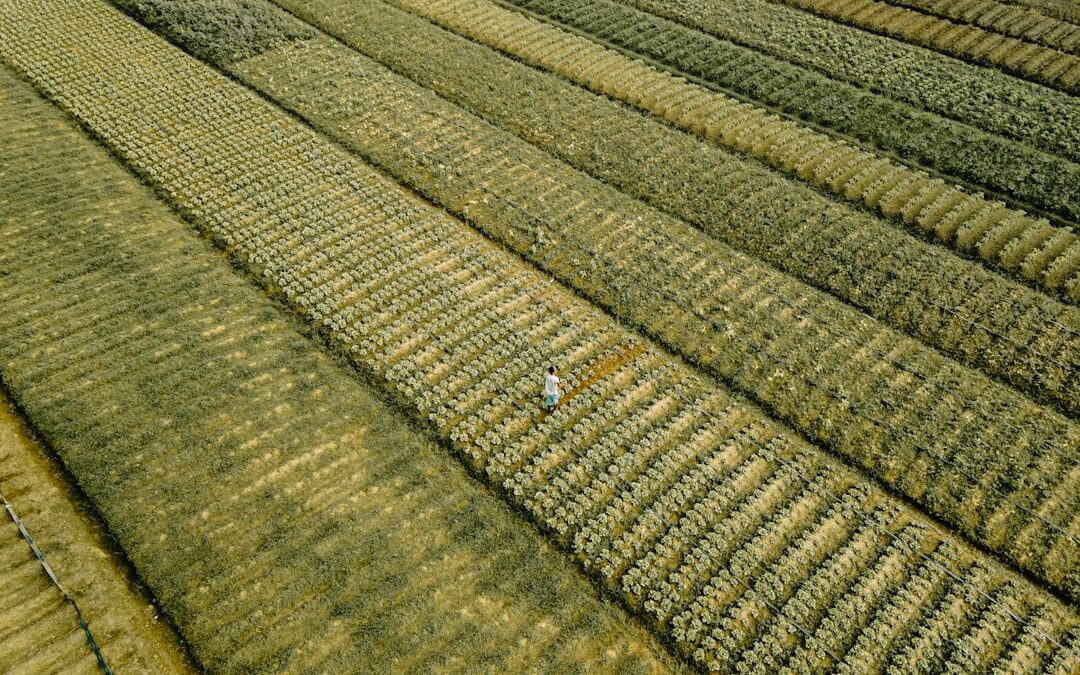
Outdoor hemp production accounted for $646 million of the total, up 53% from the prior year. Farmers planted 49,267 acres of hemp across the country, a 9% increase that suggests growing confidence in the crop’s commercial viability.
“This isn’t speculative planting anymore. Farmers are putting hemp in the ground because they have contracts and buyers lined up.” — Industry analyst, Hemp Benchmarks
The standout category was grain hemp, which more than doubled in production volume to 7.26 million pounds. Its value surged 209% to $8.09 million. While grain hemp remains a small slice of the overall market, the growth rate points to expanding demand from food manufacturers and industrial buyers who use hemp seed in protein products, cooking oils, and animal feed.
What Drove the Growth
Several factors converged to push the industry forward in 2025. The CBD wellness market continued its steady expansion, with the global cannabidiol market reaching an estimated $10.68 billion. North America accounted for roughly 86% of global CBD revenue, keeping U.S. farmers at the center of supply chains.
The launch of Medicare’s CBD pilot program in April 2026 — which allows doctors to recommend hemp-derived CBD products with up to $500 per year in coverage — also sent a forward-looking signal to the market. Companies like cbdMD moved quickly to establish clinical healthcare channels in anticipation of the program.
Meanwhile, the pet CBD market continued its rapid ascent. Valued at $576 million in 2026, pet CBD is projected to grow at a 32.5% compound annual rate through 2034. That demand creates a reliable downstream market for hemp flower and extract producers.
The Regulatory Shadow
The growth numbers arrive against an uncomfortable backdrop. Legislation signed in late 2025 would make most hemp-derived products containing more than 0.4 milligrams of THC per container federally unlawful as of November 12, 2026. If enforced as written, the law could devastate the very industry these production numbers celebrate.
Hemp businesses have responded on two fronts. Some are reformulating products to comply with the stricter THC limits. Others are lobbying Congress for legislative fixes, including the Hemp Safety Enforcement Act and the Legal Hemp Protection Act, both introduced in recent weeks.
Regional Breakdown
Production concentrated in familiar states. Kentucky, Colorado, Oregon, and Montana maintained their positions as top hemp-growing states. Kentucky’s established processing infrastructure and proximity to eastern markets continued to attract both new growers and extract manufacturers.
Several southern states also posted gains. Tennessee and North Carolina saw increased acreage as farmers diversified away from traditional crops facing their own price pressures.
What the Numbers Mean for 2026
The 64% growth figure validates hemp as a commercially viable crop at scale — not a niche experiment. But the industry’s 2026 trajectory depends almost entirely on what happens in Washington.
If Congress amends the THC limits before November, farmers and businesses can plan with confidence. If the law takes effect unchanged, the industry faces what the National Law Review called a “compliance cliff” that could force thousands of CBD product makers to either reformulate, relocate to state-legal markets, or shut down entirely.
For now, the USDA data tells a clear story: demand for hemp is real, growing, and diversified across CBD wellness, food, industrial, and pet markets. The question is whether federal policy will keep pace with the market it helped create.
These statements have not been evaluated by the Food and Drug Administration. CBD products are not intended to diagnose, treat, cure, or prevent any disease.


