Pet CBD Market on Track for $5.5 Billion by 2034 as State Vet Laws Open Up
New state legislation allowing veterinarians to discuss cannabis treatments with pet parents is fueling rapid growth in one of CBD’s fastest-moving segments.
By CBDWorldNews Editorial Staff | May 4, 2026
The global pet CBD market sits at roughly $577 million in 2026 and is projected to grow at a compound annual rate of 33% to reach $5.5 billion by 2034, according to new market research data. That growth is being driven by a combination of shifting veterinary regulations, stronger research backing, and rising consumer demand for natural pet wellness products.
A key catalyst: state legislatures are steadily removing the barriers that prevented veterinarians from discussing CBD with their clients.
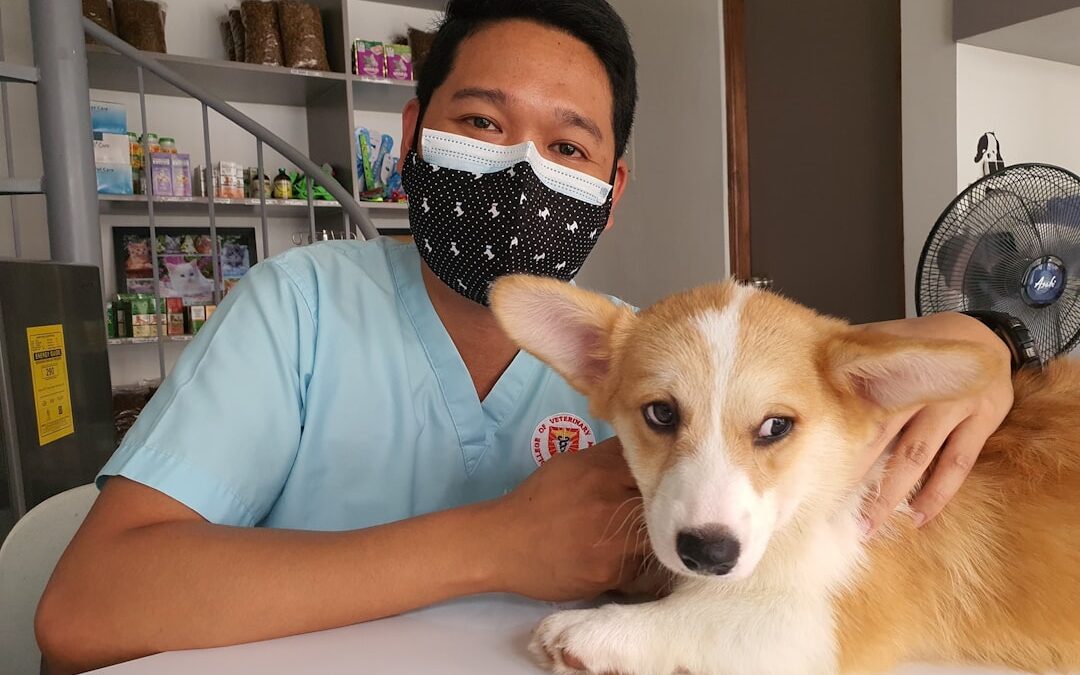
Veterinarians Can Finally Talk About It
For years, vets operated in a gray area around CBD. Even in states where hemp products were legal, many veterinarians worried that recommending or even discussing CBD could put their professional licenses at risk.
That is changing. Maryland delegates unanimously passed a bill in March 2026 that protects veterinarians from licensing board discipline when they discuss cannabis treatment options for animals. The legislation follows similar moves by California, Colorado, Nevada, and Oregon in recent years.
“Pet parents have been asking about CBD for years. Now veterinarians can have that conversation without looking over their shoulder.”
The shift matters because veterinary guidance directly influences purchasing decisions. When a vet can openly discuss dosing, product quality, and what conditions might respond to CBD, pet parents shop with more confidence. And they tend to choose higher-quality products when they have professional guidance.
Research Backs Growing Confidence
Veterinary CBD research remains relatively young compared to human studies, but the evidence base is expanding.
A study published in Frontiers in Veterinary Science found that CBD oil given at 2 mg/kg twice daily significantly decreased pain and increased activity in dogs with osteoarthritis. Researchers at Colorado State University reported that 89% of dogs receiving CBD experienced a reduction in seizure frequency.
A newer systematic review examined CBD’s potential antitumor effects in canine oncology, pointing toward possible therapeutic applications that are still in early investigation stages.
For cats, the research is thinner but growing. Several trials are examining CBD’s effects on feline anxiety and chronic pain, with preliminary results expected later this year. Pet parents looking for CBD options for cats should work closely with their veterinarian on dosing and product selection.
Market Dynamics
The pet CBD segment is attracting attention from both established CBD companies and traditional pet industry players. Several trends are shaping the competitive landscape.
Product specialization is increasing. Rather than generic “pet CBD” formulations, brands are developing condition-specific products targeting joint health, anxiety, seizure management, and skin conditions. Dosing by weight and species is becoming standard.
Quality standards are tightening. The better pet CBD brands now provide species-specific certificates of analysis, batch-level third-party lab testing, and clear dosing guidelines validated by veterinary consultants.
Distribution is expanding beyond specialty channels. Pet CBD products are appearing in mainstream pet retail, veterinary clinics, and online marketplaces that previously avoided the category.
The Regulatory Wild Card
The November federal hemp definition change casts a shadow over the pet CBD market just as it does over the broader CBD industry. The new 0.4 mg total THC per container limit applies to animal products as well as human ones.
Most pet CBD products are already formulated with low THC levels, so many may survive the transition more easily than some human products. But manufacturers will still need to verify compliance under the stricter testing methodology.
The FDA’s veterinary cannabis docket, opened in 2025, could also produce new guidance. The agency has received substantial input from veterinary organizations, pet CBD manufacturers, and animal welfare groups. Any formal regulatory framework for veterinary CBD products would add legitimacy to the category while potentially raising the bar for market entry.
What Pet Parents Should Know
With the market growing rapidly, product quality varies widely. Pet parents should look for products with clear species-specific dosing, certificates of analysis from accredited labs, and formulations developed with veterinary input.
Starting with a low dose and working with a veterinarian remains the safest approach — and now, in a growing number of states, that conversation is fully protected by law.
These statements have not been evaluated by the Food and Drug Administration. CBD products are not intended to diagnose, treat, cure, or prevent any disease.


