—
Title: Federal Report Shows U.S. Hemp Industry Hit $739 Million in 2025, a 64% Jump
Site: CBDWorldNews.com
Category: Market & Industry
Primary Keyword: hemp industry growth 2025
Secondary Keywords: hemp production value, floral hemp, hemp market report, USDA hemp data
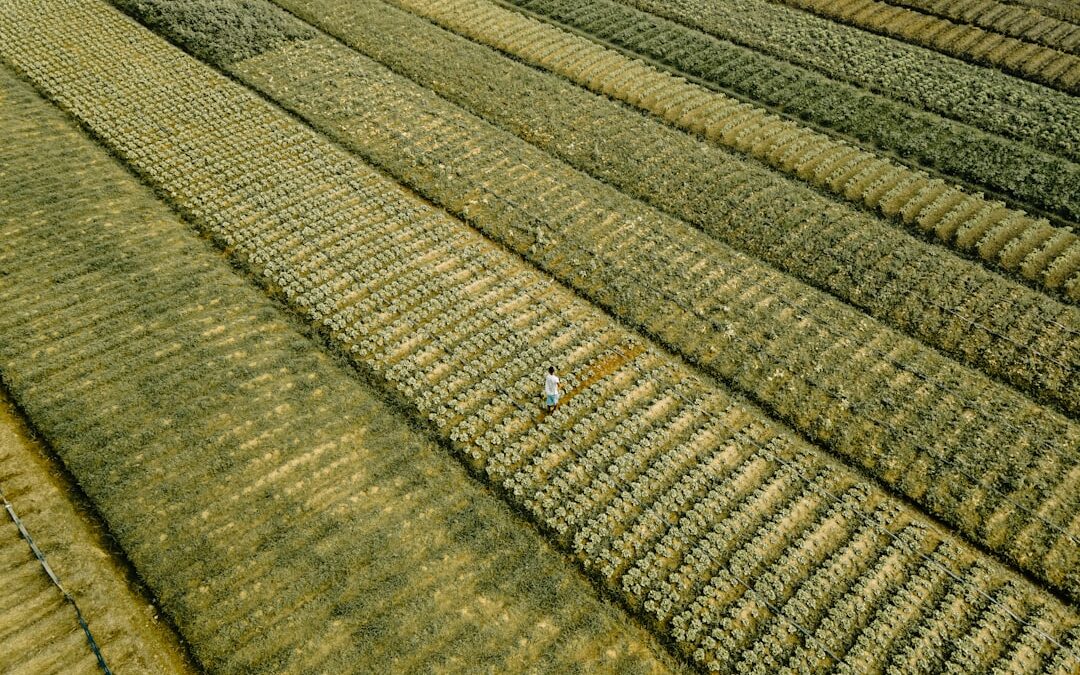
Featured Image Search Term: hemp farm field harvest aerial
Unsplash Photo ID: e3cTgdoLQWc
Photographer: Renaldo Matamoro
Unsplash Attribution: Photo by Renaldo Matamoro on Unsplash
Meta Description: USDA data shows U.S. hemp production reached $739 million in 2025, driven by a 60% surge in floral hemp. What the numbers mean for 2026.
Tags: hemp industry, market growth, USDA data, hemp farming, floral hemp
Word Count: 950
Estimated Read Time: 5 minutes
Internal Links: CBDProducts.com brand reviews, CBDPet.com pet CBD market
—
Federal Report Shows U.S. Hemp Industry Hit $739 Million in 2025, a 64% Jump
Floral hemp drove the rebound, accounting for nearly 90% of all outdoor hemp value as the sector posted its strongest year since legalization.
By CBDWorldNews Editorial Staff | April 28, 2026
—
Dek: New federal data reveals the hemp industry’s strongest performance since the 2018 Farm Bill, even as the sector faces a potential November product ban that could erase much of the growth.
—
The U.S. hemp industry posted $739 million in total production value during 2025, up 64% from $451 million the prior year, according to a newly released federal report. The numbers mark the industry’s most significant growth period since Congress legalized hemp cultivation in 2018.
Floral Hemp Leads the Recovery
Floral hemp — the plant material used to produce CBD oils, gummies, tinctures, and smokeable products — accounted for the bulk of the gains. Production reached 33.2 million pounds in 2025, a 60% increase over 2024 volumes. Total floral hemp value hit $574 million, representing nearly 90% of all outdoor hemp production value.
The concentration in floral hemp reflects a market that has moved decisively away from the fiber and grain segments that early Farm Bill advocates envisioned. While industrial hemp applications remain a small slice of the market, consumer demand for CBD and cannabinoid products continues to drive planting decisions.
> “Farmers follow the money, and the money has been in flower for three consecutive years now.” — Industry analyst comment on the federal data
State-Level Production Patterns
The report highlights geographic concentration in hemp cultivation. States with established processing infrastructure and favorable growing conditions captured outsized shares of the production gains. Kentucky, Colorado, Oregon, and Vermont remained among the top producing states, though the full state-by-state breakdown shows cultivation spreading into new regions.
The growth also reflects improved farming practices. Yield per acre increased as growers moved past the trial-and-error phase that marked the industry’s first years after legalization. Genetics, soil management, and harvesting techniques have matured significantly since the initial 2019 growing season.
The Contradiction Ahead
The growth numbers arrive at an awkward moment for the industry. A federal ban set for November 12, 2026 would restrict hemp products to 0.4 milligrams of total THC per container — a threshold that the US Hemp Roundtable says would eliminate 95% of current products from the market.
That means the same product category responsible for $574 million in farm-level value could become largely illegal under federal law within seven months.
The pet CBD segment, valued at $576.89 million globally in 2026 with projections reaching $5.47 billion by 2034, represents another growth area threatened by regulatory uncertainty. [Pet CBD products](https://cbdpet.com/market-outlook) have driven demand for specific hemp cultivars optimized for broad-spectrum extractions.
What the Numbers Mean for Brands
For CBD brands and retailers, the production data supports continued consumer demand. [Product quality and third-party testing](https://cbdproducts.com/quality-standards) have become the primary differentiators as the market matures past its early gold-rush phase.
The brands gaining market share in 2026 share several traits: verified organic sourcing, transparent supply chains, accessible certificates of analysis, and pricing that reflects the actual cost of compliant production. Fly-by-night operators have largely been squeezed out as consumer sophistication has grown.
Industry Response
Trade groups pointed to the data as evidence that hemp has become a meaningful agricultural commodity deserving of regulatory clarity rather than blanket prohibition.
The hemp beverage segment has emerged as a particularly dynamic category. With growing consumer interest in non-alcoholic alternatives, CBD and hemp-infused drinks posted strong sales growth through 2025 and into early 2026. Major brands have launched new product lines designed to comply with potential regulatory scenarios, hedging against the November deadline.
Looking Ahead
The $739 million figure represents farm-level production value, not retail sales, which run considerably higher when processing, manufacturing, and retail margins are factored in. The total economic footprint of the hemp-derived CBD market likely exceeds several billion dollars when the full supply chain is counted.
Whether that value survives 2026 depends entirely on Congressional action. The production data gives lawmakers a concrete number to weigh against the November ban — and 64% growth is difficult to dismiss as a fringe industry not worth preserving.
—
These statements have not been evaluated by the Food and Drug Administration. CBD products are not intended to diagnose, treat, cure, or prevent any disease.


