Texas Judge Halts Smokeable Hemp Ban After Industry Lawsuit
Court grants temporary restraining order, pausing DSHS regulations that industry says would wipe out thousands of businesses
By CBDWorldNews Editorial Staff | April 21, 2026
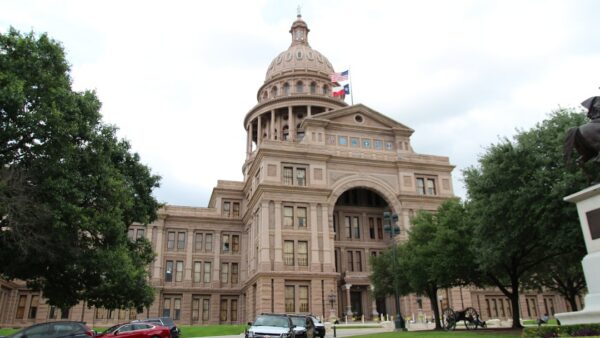
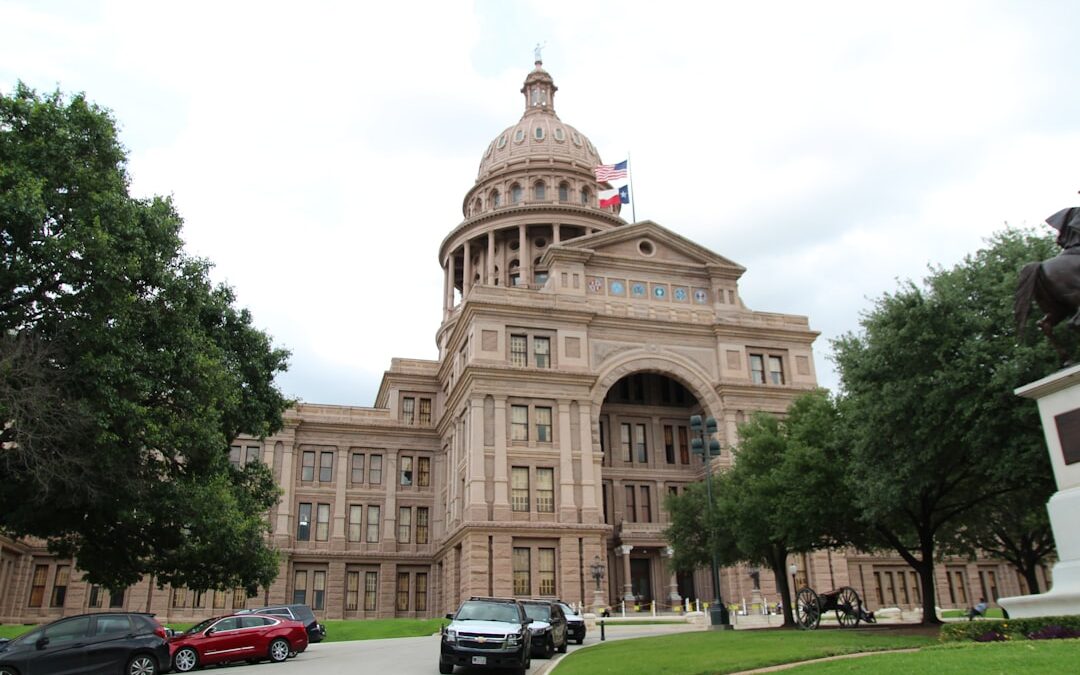
A Travis County judge blocked enforcement of Texas rules that effectively banned smokeable hemp products, granting a temporary restraining order after hemp businesses argued the state overstepped its authority.
What Happened
Judge Maya Guerra Gamble issued the order on April 8 after the Texas Hemp Business Council, Hemp Industry & Farmers of America, and several Texas dispensaries filed suit. The ruling pauses new Department of State Health Services (DSHS) regulations that took effect March 31.
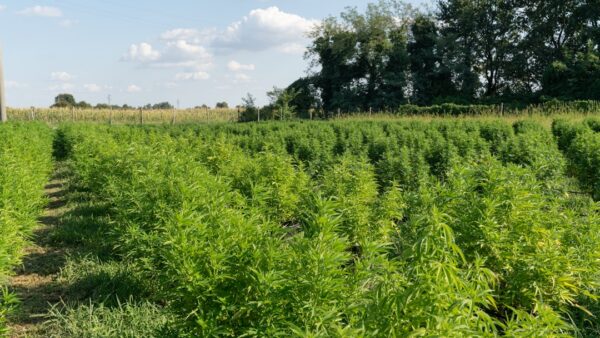
Those rules changed how THC levels are calculated in hemp products, setting a 0.3% total THC threshold that made most smokeable hemp flower and concentrates unsellable overnight. The regulations also introduced steep fee hikes: manufacturer licensing jumped from $258 to $10,000 per facility, and retail registration climbed from $155 to $5,000 per location.
Hemp industry attorney Jason Snell told the court: “The wave is getting bigger. We are seeking to halt rules that would effectively end production and sales of items the Legislature chose not to ban.”
Why It Matters
More than 13,000 stores in Texas hold registrations to sell hemp products, and nearly 800 companies are licensed to manufacture them. The DSHS rules threatened to shutter a large portion of that network through a combination of product restrictions and prohibitive costs.
“Administrative agencies cannot substitute policy judgment for constitutional lawmaking.” — David Sergi, counsel for the plaintiff coalition
The legal argument centers on whether DSHS exceeded its rulemaking authority by adopting federal standards—specifically the total THC calculation method from the 2026 Extensions Act—before those standards have taken effect at the federal level.
The Backstory
Texas legalized hemp in 2019, opening the door to a fast-growing retail market. The state banned delta-8 THC in 2021, but the broader smokeable hemp category remained legal. In 2025, the Legislature voted to ban smokeable products, but Governor Greg Abbott vetoed the bill.
DSHS then pursued the regulatory route. The agency pointed to rising poison center calls—from 923 in 2019 to 2,669 in 2025—as justification for tighter controls. Industry representatives counter that the call increase tracks with market growth and does not indicate a safety crisis.
What Comes Next
The restraining order holds until April 23, when both sides return to court for a full hearing. If the judge extends the injunction, hemp businesses can continue selling smokeable products while the case moves through litigation. If not, the DSHS rules snap back into effect.
Violations under the current rules carry penalties of up to $10,000 per day, giving businesses little room to wait out a legal fight without clarity.
The outcome could influence other states weighing similar administrative approaches to hemp regulation. With the federal November 2026 hemp ban looming, state-level enforcement actions add another layer of uncertainty for an industry already facing an existential timeline.
Industry Implications
For retailers and manufacturers operating in one of the country’s largest hemp markets, the next court date is the most important one on the calendar. A favorable ruling would buy time—but not permanence. The federal ban scheduled for November still threatens to reshape the entire category nationwide.
Businesses looking to understand how lab testing standards affect hemp product compliance should track both the Texas litigation and the parallel federal rulemaking.
These statements have not been evaluated by the Food and Drug Administration. CBD products are not intended to diagnose, treat, cure, or prevent any disease.