Federal Judge Denies Emergency Block of Medicare CBD Pilot, Sets April 20 Hearing
A coalition of anti-cannabis organizations failed to convince a federal judge to halt the government’s first-ever Medicare coverage of hemp-derived CBD, but the legal fight is far from settled.
By CBDWorldNews Editorial Staff | April 19, 2026
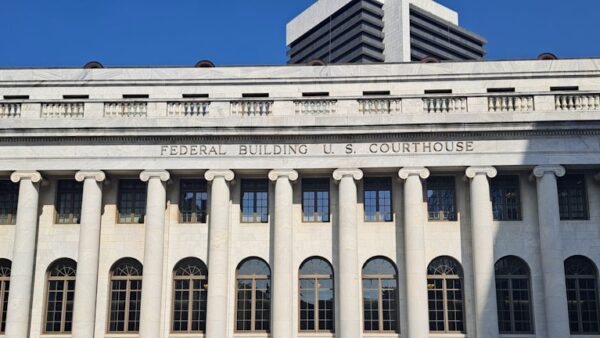
Judge Trevor N. McFadden of the U.S. District Court for the District of Columbia rejected a request from Smart Approaches to Marijuana (SAM) and nine other drug prevention organizations seeking an emergency temporary restraining order against the federal government’s Medicare CBD coverage initiative. The ruling keeps the pilot program running while a broader hearing is scheduled for April 20.
What the Lawsuit Claims
SAM and its co-plaintiffs filed suit on April 1, the same day the Centers for Medicare & Medicaid Services (CMS) activated the Substance Access Beneficiary Engagement Incentive (BEI). The program allows participating Accountable Care Organizations and oncology practices to distribute eligible hemp-derived CBD products to Medicare patients under physician supervision.
The plaintiffs argue that CMS bypassed required administrative procedures by not publishing a formal notice of proposed rulemaking. They also contend that the initiative amounts to federal coverage of products that lack FDA approval, setting what they call a dangerous precedent.
The coalition’s complaint points to the Federal Food, Drug, and Cosmetic Act, arguing that hemp-derived CBD products remain unapproved dietary supplements and should not be furnished through Medicare-linked programs without congressional authorization.
How the Program Works
The BEI pilot does not function like traditional Medicare drug coverage. Medicare does not directly reimburse the cost of CBD products. Instead, participating organizations in CMS Innovation Center models — ACO REACH, the Enhancing Oncology Model, and the upcoming LEAD Model — may furnish eligible hemp-derived CBD products as part of physician-supervised consultations.
“This is not a blanket coverage expansion. It is a structured pilot within existing innovation authority that requires physician oversight at every step.” — CMS operational guidance, March 20, 2026
Program expenses are offset through broader healthcare savings and distribution agreements with manufacturers. Eligible products must meet specific quality standards, and CMS has set a limit of $500 annually per qualifying senior.
The Government’s Response
Health and Human Services Secretary Robert F. Kennedy Jr. and CMS Administrator Dr. Mehmet Oz filed a motion seeking dismissal of the suit. Their legal team argued that the BEI operates under existing CMS Innovation Center authority, which grants broad latitude to test new approaches to healthcare delivery without the standard rulemaking process.
The government’s brief noted that the Innovation Center has previously introduced dozens of payment models and beneficiary incentives without notice-and-comment rulemaking, and that the hemp CBD initiative follows the same legal pathway.
What the Ruling Means
Judge McFadden’s denial of the emergency motion is not a decision on the merits. The court found that the plaintiffs failed to demonstrate the “irreparable harm” required for emergency relief. McFadden noted that the program had already been operational for nearly three weeks without evidence of the harms alleged in the complaint.
The April 20 hearing will address whether to issue a preliminary injunction — a longer-term pause — while the case proceeds. Legal observers expect the government to press its dismissal arguments at that hearing.
Industry Reaction
The ruling landed during a week of rapid positioning by CBD companies. cbdMD announced a dedicated clinical healthcare channel designed specifically for the Medicare pathway, and High Tide’s subsidiary NuLeaf Naturals publicly declared its intent to pursue BEI participation.
For companies investing in clinical-grade product lines and healthcare distribution infrastructure, the legal uncertainty creates real financial risk. A preliminary injunction could freeze a market that companies have already spent months preparing to enter.
The ruling also matters for the estimated 68 million Americans covered by Medicare. Consumer advocacy groups have argued that physician-supervised access to hemp-derived CBD could reduce reliance on opioid prescriptions for chronic pain management among seniors.
The Bigger Regulatory Clash
This lawsuit sits within a much larger regulatory contradiction. The Medicare pilot allows products containing up to 3 milligrams of THC per serving. But a federal law taking effect November 12, 2026 caps all hemp products at 0.4 milligrams of THC per entire container — more than seven times lower, measured per container rather than per serving.
If both policies stand, the federal government would simultaneously be funding CBD products through Medicare and banning similar products from consumer shelves. That tension is likely to force congressional action before the November deadline.
For consumers evaluating CBD products in the meantime, third-party lab testing and Certificates of Analysis remain the most reliable way to verify product quality and cannabinoid content. Understanding what to look for in a CBD oil can help buyers make informed decisions regardless of how the regulatory landscape shifts.
What Comes Next
The April 20 hearing will be the first substantive judicial review of the Medicare CBD pilot’s legal foundation. Both sides have filed extensive briefs, and the court has invited amicus submissions from industry groups and public health organizations.
If the court denies the preliminary injunction, the pilot will likely continue through its planned evaluation period. If the court grants it, participating organizations would need to halt CBD distribution immediately, potentially disrupting care for seniors already enrolled in the program.
Either way, the case is expected to move quickly. With the November hemp ban looming and congressional attention divided between the Farm Bill and standalone hemp legislation, the courts may end up shaping CBD policy faster than Congress can.
These statements have not been evaluated by the Food and Drug Administration. CBD products are not intended to diagnose, treat, cure, or prevent any disease.