Affiliate Disclosure: This article contains affiliate links. We may earn a commission from qualifying purchases at no extra cost to you.
Federal Judge Clears Medicare CBD Pilot to Launch Despite Industry Lawsuit
A court ruling keeps the government’s first-ever cannabinoid coverage program on track, but legal battles are far from over.
By CBDWorldNews Editorial Staff | April 22, 2026
A federal judge has denied a temporary restraining order that sought to halt the Centers for Medicare & Medicaid Services (CMS) hemp CBD pilot program, allowing the initiative to move forward as planned. The ruling marks a significant moment for the hemp industry and the millions of Medicare beneficiaries who may now access CBD products through their coverage.
What the Program Covers
The CMS Substance Access Beneficiary Engagement Incentive (BEI) launched on April 2, 2026, under the direction of CMS Administrator Mehmet Oz and HHS Secretary Robert F. Kennedy Jr. The program allows Medicare patients enrolled in qualifying innovation models to receive up to $500 annually in hemp-derived cannabidiol products.
Eligible products must meet strict criteria: they cannot contain more than 0.3% delta-9 THC per dry weight, and each serving must contain a maximum of 3 milligrams of total THC. Inhalable products are excluded from coverage. Three CMS innovation models qualify for the program — ACO REACH, the Enhancing Oncology Model, and LEAD — with start dates staggered between April 1, 2026, and January 1, 2027.
The Legal Challenge
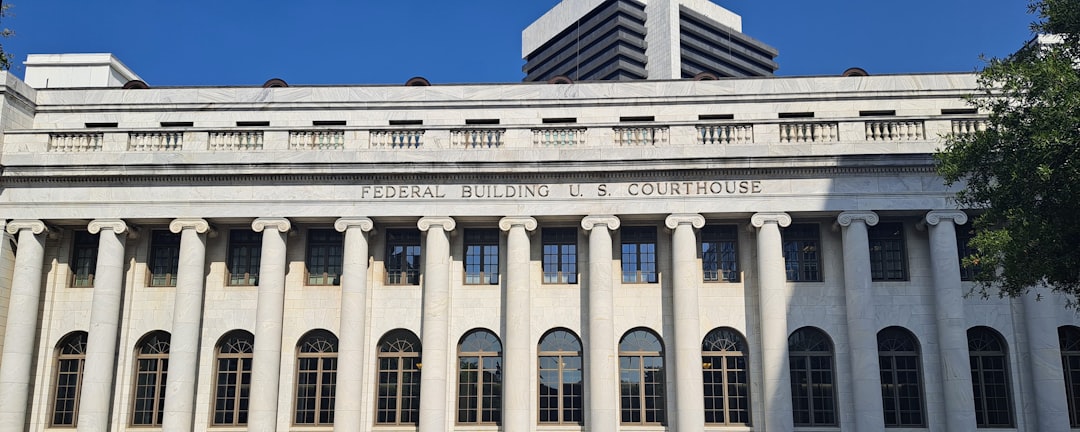
Smart Approaches to Marijuana (SAM) and nine other drug prevention organizations filed suit on March 31, 2026, in U.S. District Court for the District of Columbia. The groups named both Administrator Oz and Secretary Kennedy as defendants.
The plaintiffs argued that CMS violated the Administrative Procedure Act by rolling out the program without the required notice-and-comment rulemaking period. They also claimed the initiative contradicts an earlier CMS rule that declared cannabis products ineligible for supplemental coverage and that CMS overstepped its statutory authority under the Social Security Act.
“Raw marijuana — especially non-FDA approved products like tinctures and gummies — is not medicine,” said SAM CEO Kevin Sabet in a statement accompanying the lawsuit.
The judge rejected the request for a temporary restraining order, noting that the plaintiffs failed to demonstrate the kind of immediate, irreparable harm required for emergency relief. The program was allowed to proceed while the underlying case continues through the courts.
Why This Matters for the Hemp Industry
The Medicare CBD pilot represents the first time a federal health insurance program has provided direct coverage for hemp-derived cannabinoid products. For an industry that has struggled with banking access, regulatory uncertainty, and a lack of federal legitimacy, the program carries symbolic weight that extends beyond the dollar amounts involved.
Industry analysts estimate that even limited Medicare coverage could channel significant new revenue toward compliant hemp CBD manufacturers. Products eligible for the program must meet quality standards that align with what groups like the U.S. Hemp Authority have long advocated — third-party testing, accurate labeling, and transparent supply chains.
For consumers navigating the growing market of covered products, understanding how to evaluate CBD quality and lab reports remains critical, especially as new brands may enter the space specifically to capture Medicare dollars.
What Comes Next
The underlying lawsuit filed by SAM and its co-plaintiffs remains active. Legal observers expect the case to move through discovery and potentially reach oral arguments later this year. MMJ International Holdings has also filed a separate challenge, seeking a federal preliminary injunction scheduled for a May 1 hearing.
The legal questions at stake could shape how federal health programs interact with hemp products for years. If the courts ultimately uphold the CMS program, it could open the door for Medicaid and private insurance pilots. If the program is struck down on procedural grounds, CMS could potentially restart it with proper rulemaking — a process that would take months but might produce a more durable legal framework.
For now, the pilot continues. Medicare beneficiaries enrolled in qualifying models can begin accessing covered CBD products, and the hemp industry has its first real foothold in the federal healthcare system.
These statements have not been evaluated by the Food and Drug Administration. CBD products are not intended to diagnose, treat, cure, or prevent any disease.