White House Hosts Back-to-Back CBD Policy Meetings as FDA Enforcement Framework Nears Completion
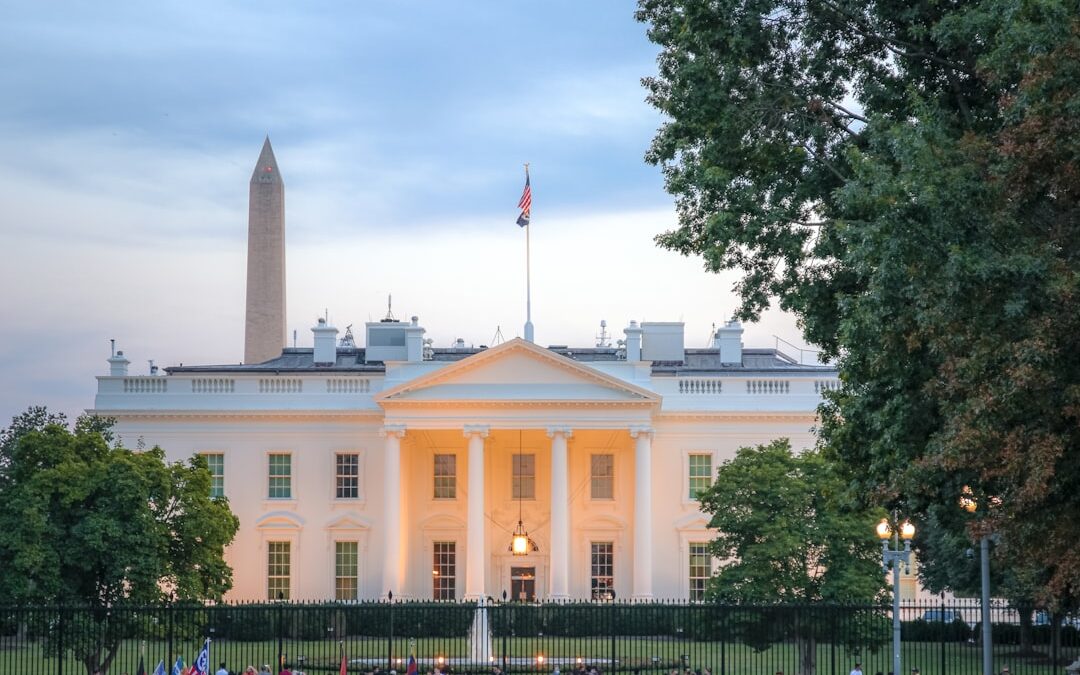
The White House’s Office of Information and Regulatory Affairs is reviewing the FDA’s long-awaited CBD enforcement policy, with major industry stakeholders meeting directly with regulators this week. Two back-to-back industry meetings on April 16-17 mark the seventh and eighth stakeholder discussions as the agency finalizes its framework governing hemp-derived cannabinoid products.
The FDA submitted its “CBD Products Compliance and Enforcement Policy” to OIRA on March 13, 2026. Industry executives say the policy could reshape how thousands of manufacturers operate across the expanding hemp market. OIRA’s review process typically takes 30 to 60 days, putting a final policy on track for late May or early June.
Companies Meet With Federal Regulators
Groff North America CEO Thomas Leverte met with FDA officials on April 16 at 3:30 PM. My TCBD Inc. founder Kelly Young followed with a meeting at 1:30 PM on April 17. My TCBD, a Michigan-based hemp and CBD company, represents smaller regional producers who have faced regulatory uncertainty for years.
“These meetings signal the FDA is actively listening to industry feedback before finalizing the rule,” said a spokesperson familiar with the discussions. “Both companies provided data on compliance costs and manufacturing timelines.”
The White House review process forces stakeholders to make final arguments before the framework becomes public. Industry groups submitted written comments through April 14, the official deadline for OIRA input. Several trade associations asked for compliance transition periods longer than the FDA initially proposed.
FDA Commissioner Sets Enforcement Guardrails
FDA Commissioner Martin Makary issued an enforcement discretion memo on April 1 that previewed key policy elements. The agency stated it “does not intend to enforce” certain provisions of the Federal Food, Drug, and Cosmetic Act against orally administered hemp-derived CBD products meeting specific criteria.
Those criteria include:
- Products comply with federal THC limits
- Products manufactured and labeled as dietary supplements
- Products are not contaminated
- Products not marketed to children
- Products not claiming therapeutic benefits
The discretion memo permits up to 3 milligrams of total THC per serving for products covered by Medicare pilot programs. This threshold creates a practical pathway for some manufacturers, though it remains lower than many current products on shelves.
The FDA has not published complete policy details. Officials said full guidance will arrive after OIRA approval. Industry observers expect the document to run 50+ pages with technical specifications, labeling requirements, and enforcement priorities.
What Remains Unclear
The policy framework leaves several questions unanswered. The FDA has not clarified:
- How it will handle products sold before the policy takes effect
- Whether enforcement discretion extends to THC isolates or only full-spectrum extracts
- The agency’s position on intoxicating hemp products like delta-8 and delta-10
- Timeline for formal CBD-specific regulations versus extended discretion
Earlier stakeholder meetings included executives from Panacea Plant Sciences and Jushi Holdings. The pattern suggests the FDA is gathering feedback from companies across multiple market segments—established manufacturers, emerging brands, and retailers.
Legal experts say the April 1 memo signals the FDA will not conduct mass enforcement sweeps. Instead, the agency will likely target companies with serious compliance violations or products marketed aggressively to children.
“The discretion memo is a form of regulatory runway,” said James Cottrell, a cannabis law attorney. “It buys manufacturers time to prepare for formal rules while protecting the agency from criticism about unenforced laws.”
State and Industry Pressure Mounting
State hemp boards have urged the FDA to delay enforcement against CBD products pending final rules. Several states fear economic disruption if thousands of legal products suddenly become illegal.
The Hemp Beverage Alliance and other trade groups asked OIRA to require extended comment periods before enforcement begins. They argue manufacturers need 18 to 24 months to reformulate products and adjust supply chains.
The FDA response has been mixed. The agency acknowledged the economic stakes but indicated it will not delay enforcement indefinitely. Commissioner Makary stated the agency wants to move forward with final rules by mid-2026.
Testing Standards and Compliance Pathways
Companies preparing for the final policy are investing heavily in third-party lab testing through certified facilities. The FDA is expected to establish standards for verifying THC content and preventing contamination.
Industry compliance officers report significant investment in documentation systems. Companies are building traceability records to demonstrate compliance from hemp cultivation through finished product distribution.
Several manufacturers said they are restructuring product lines now rather than waiting for final rules. Early action reduces risk if the FDA enforcement timeline accelerates.
The final policy will likely establish clear pathways for compliant manufacturers while creating enforcement leverage against bad actors. Companies already meeting high compliance standards say they welcome formal FDA guidance over the current uncertainty.
These statements have not been evaluated by the Food and Drug Administration. CBD products are not intended to diagnose, treat, cure, or prevent any disease.