Hemp Industry Faces $28 Billion Reckoning as November Compliance Deadline Looms
The hemp-derived cannabinoid industry is bracing for a massive market contraction. P.L. 119-37 changes the federal definition of hemp from delta-9 THC limits to total THC limits of 0.3 percent by dry weight, effective November 12, 2026. Industry analysts say the change will render 95 percent of existing hemp products federally illegal overnight.
The intoxicating hemp sector generated $28.4 billion in revenue in 2025. The industry supports 300,000 jobs and generates $1.5 billion in state tax revenue. A November enforcement would eliminate most of that market within months.
The Math That Breaks the Market
P.L. 119-37 sets a container limit of 0.4 milligrams of total THC per unit. Current products contain 2.5 to 50 milligrams per serving. Nearly all hemp beverages, edibles, and smokeable products exceed the new threshold by 10 to 100 times.
“The math is impossible,” said Christopher Lackner, president of the Hemp Beverage Alliance. “A single gummy today contains more THC than an entire package would be allowed under the new rules.”
The contradiction cuts deeper. The FDA’s April 1 enforcement discretion memo permits up to 3 milligrams of total THC per serving for Medicare pilot products. The November rule allows only 0.4 milligrams per container. Products compliant with federal Medicare programs would become illegal under state-level hemp regulations in roughly seven months.
Manufacturers have no technical pathway to reformulate most products. Hemp-derived cannabinoids concentrate during extraction. Reducing total THC from 25 milligrams to 0.4 milligrams per unit would require switching raw materials entirely or adding non-hemp additives—both expensive and time-consuming.
Legislative Attempts Stall Without Relief
The House Agriculture Committee advanced its Farm Bill on March 5, 2026, without relief provisions for the hemp industry. The Hemp Planting Predictability Act, introduced January 13, 2026, proposed deferring the November deadline to November 2028. The bill has not advanced.
“Congress created this problem twice—once in 2018 with the original farm bill, again with P.L. 119-37,” said a hemp industry analyst. “Now it’s ignoring the consequences.”
Industry groups submitted 200+ comments to Congress requesting a three-year delay. Trade associations argued manufacturers need time to secure new supply contracts, reformulate products, and invest in compliant extraction infrastructure. Congress has remained silent on these requests.
The lack of legislative movement suggests the November deadline will proceed as scheduled. Manufacturers have shifted strategy from seeking delays to planning shutdowns or pivots to other product categories.
Hemp Beverages Face Collapse
Hemp-infused beverages represent the industry’s most vulnerable segment. Valued at $180 million in 2025, the category faces near-total elimination. Most hemp drinks contain 5 to 20 milligrams of total THC per serving—far above the 0.4 milligram container limit.
Beverage manufacturers report they cannot reduce THC concentration below current levels without losing product efficacy. Consumers expect noticeable effects. A 0.4 milligram container would provide less THC than a single leaf of actual hemp flower.
“Hemp beverages become indistinguishable from regular drinks,” said an industry product developer. “Manufacturers will either exit the category or face legal exposure.”
The Hemp Beverage Alliance is mounting a final push for legislative relief. Their strategy focuses on persuading individual state legislatures to create exceptions before November 12. Several states have shown interest, but federal preemption could override state carve-outs.
Established Players Pivot Strategy
Charlotte’s Web Holdings announced restructuring initiatives in March 2026. The company, backed by British American Tobacco, said it would “refocus on compliant product lines and explore strategic partnerships.” Industry observers read this as code for downsizing hemp products while scaling other segments.
Established manufacturers with diverse product portfolios are better positioned to survive. Companies selling isolate powders, pure cannabinoid distillates, or non-THC hemp derivatives face less disruption. Smaller brands relying entirely on intoxicating hemp products have announced liquidation sales.
Several retailers are expanding inventory before November 12 to stock products customers currently want. Buy-before-the-deadline purchasing could spike revenue in the final six months, creating a false impression of market strength before the cliff.
The 300,000 Job Question
Hemp cultivation and processing employ 300,000 workers across farming, extraction, manufacturing, and distribution. A 95 percent market contraction would eliminate roughly 285,000 jobs.
No government retraining programs exist for displaced hemp workers. The USDA has not announced transition assistance. State labor departments are not preparing workforce development initiatives.
“Congress will likely face pressure to fund hemp worker assistance programs,” said a labor market analyst. “But that typically comes after job losses occur, not before.”
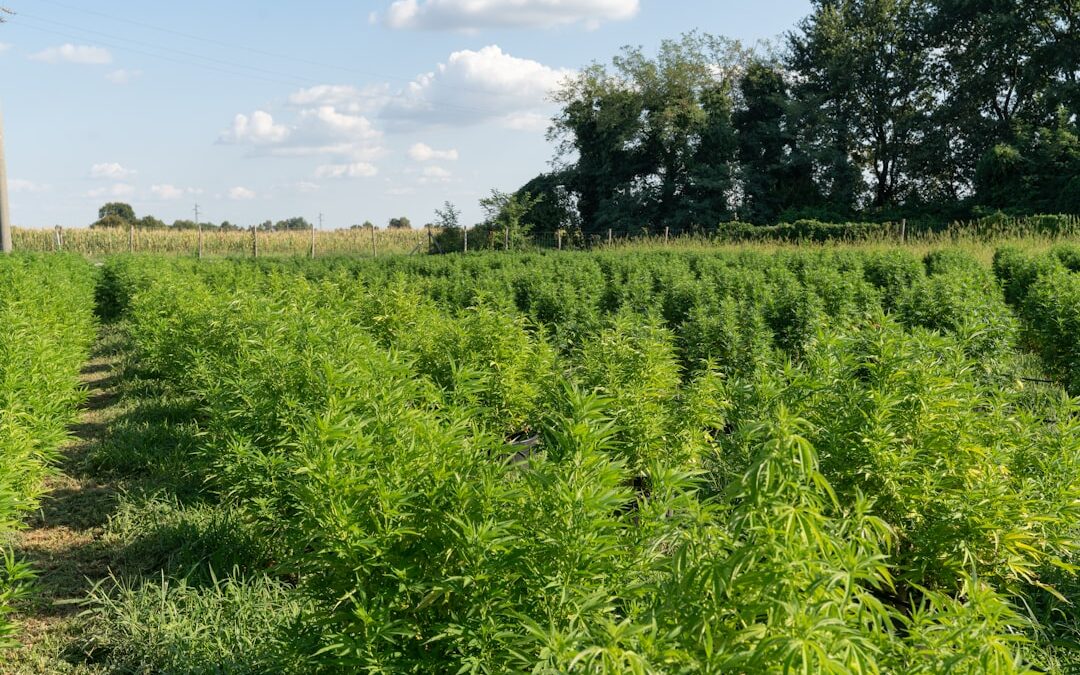
Hemp farming will contract sharply. Acreage dedicated to hemp would return to commodity crops or sit fallow. Farm incomes in hemp-dependent regions would decline significantly.
Compliance Infrastructure Uncertain
The FDA has not clarified enforcement mechanisms for the November deadline. The agency will likely prioritize interstate commerce violations and retail sales in states where hemp remains legal. Small manufacturers with regional distribution might avoid immediate enforcement, but distribution contracts would become uninsurable.
Companies are investing in third-party lab testing to generate compliant Certificates of Analysis. But COAs documenting compliance with November rules will only matter for the 5 percent of products falling under the new limits.
The hemp industry’s window for action closes after April 30, 2026. By May, manufacturers must commit to either reformation, product exits, or market liquidation. Most major brands have already made those decisions.
Industry Braces for Disruption
The hemp industry faces a harder regulatory reality than it anticipated when P.L. 119-37 passed. Congress shows no appetite for delay. The FDA has not signaled enforcement flexibility. State legislatures lack federal authority to override.
Six months remain. Manufacturers will conduct inventory clearance sales, transition loyal customers to compliant products, and prepare for workforce reductions. The $28.4 billion market will contract to a fraction of its current size.
The November 12 deadline is no longer a political negotiation. It has become an industry shutdown clock.
These statements have not been evaluated by the Food and Drug Administration. CBD products are not intended to diagnose, treat, cure, or prevent any disease.