Affiliate links are not included in CBDWorldNews editorial content.
Texas Judge Blocks Smokeable Hemp Ban, Halts $5,000 Retailer Fee Hike
A temporary restraining order pauses enforcement of DSHS rules that reshaped THC testing and slapped retailers with massive fee increases.
By CBDWorldNews Editorial Staff | April 17, 2026
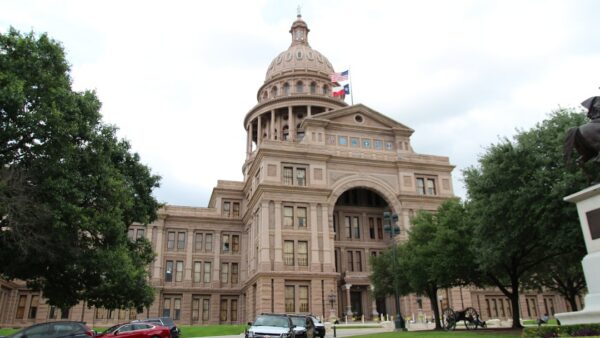
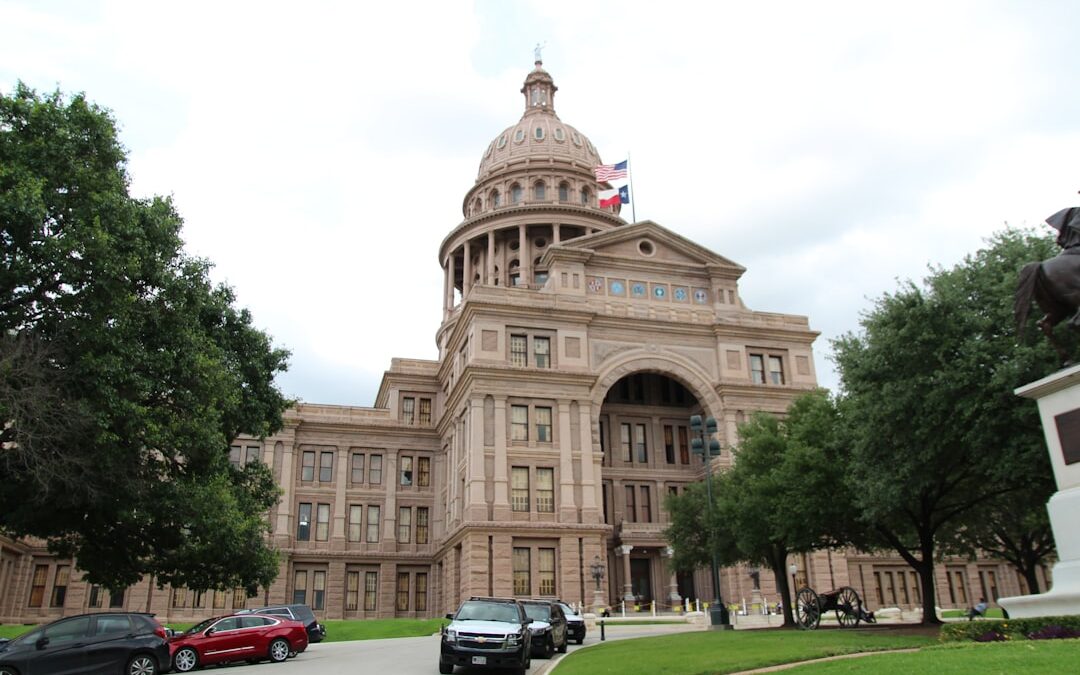
A Travis County judge granted a temporary restraining order on April 10 that blocks enforcement of sweeping hemp regulations that took effect in Texas on March 31. The ruling pauses rules from the Department of State Health Services that had effectively banned smokeable hemp products and raised annual retailer fees from $150 to $5,000 per location.
The restraining order gives the hemp industry breathing room while a broader legal challenge moves forward. A key hearing is scheduled for April 23, when the court will consider whether to extend the order into a temporary injunction.
How the DSHS Rules Changed the Game
The regulations that took effect March 31 fundamentally altered how Texas measures THC levels in hemp products. Under the new framework, DSHS changed the calculation method for total THC concentration in a way that made most smokeable hemp products — including flower and concentrates — exceed legal limits.
Smokeable hemp accounted for the majority of hemp products sold in Texas. The rule change did not explicitly ban these products by name. Instead, it made compliance mathematically impossible for most flower and concentrate products on the market.
The fee increase compounded the problem. Retailers that had been paying $150 per year for their hemp licenses suddenly faced $5,000 annual fees per location. For small businesses operating on thin margins, that increase alone threatened to force closures.
“The fee went from manageable to devastating overnight. We have three locations — that’s $15,000 a year just for the privilege of selling a legal product.” — Texas hemp retailer in court filing
The Legal Challenge
Multiple Texas hemp companies filed suit against DSHS in Travis County on April 8. Their core argument: the agency overstepped its authority by enacting rules that amount to a de facto product ban without proper legislative authorization.
The plaintiffs contend that DSHS used a rulemaking process to achieve what would normally require an act of the legislature. They argue the THC testing methodology change was designed specifically to eliminate smokeable hemp from the market rather than to protect public health.
The judge found enough merit in these arguments to grant the temporary restraining order. While a TRO is not a final ruling, it signals that the court sees potential problems with the DSHS approach.
Market Impact
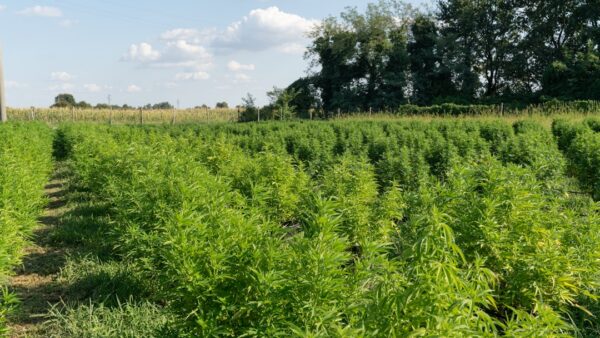
Texas has one of the largest hemp markets in the country. The state’s combination of a large population, limited marijuana legalization, and warm climate for hemp cultivation has made it a hub for the industry.
Before the DSHS rules took effect, hundreds of retailers across the state sold smokeable hemp products. Many of these businesses operate in rural areas where they serve as the primary source of legal cannabinoid products for their communities.
The two-week window between March 31 and the April 10 restraining order created chaos. Some retailers pulled products from shelves preemptively. Others continued selling while waiting for legal clarity. A few closed their doors entirely, unable to absorb the fee increase or the risk of enforcement action.
With the restraining order now in place, most retailers have resumed normal operations. But the uncertainty persists. If the court does not extend protections at the April 23 hearing, businesses could face another abrupt shutdown.
National Context
Texas joins a growing list of states where hemp regulations face legal challenges. Courts in several states have questioned whether agencies can effectively ban product categories through administrative rulemaking rather than legislative action.
The Texas case carries particular weight because of the state’s market size and because it directly addresses the testing methodology question. How states measure THC determines what products can legally exist. If Texas courts rule that DSHS cannot unilaterally change testing methods to eliminate product categories, it could influence regulatory approaches in other states.
The federal backdrop adds another layer. The November 2026 deadline for new federal hemp restrictions means that even if Texas retailers win this fight, they may face a national ban on many of the same products within months.
For consumers trying to find tested, compliant CBD and hemp products, the regulatory uncertainty makes it harder to know what will remain available and where.
What to Watch
The April 23 hearing will determine whether the restraining order becomes a temporary injunction — a stronger form of court protection that could last months while the full case is litigated.
Key questions for that hearing include whether DSHS followed proper notice-and-comment procedures, whether the fee increase was justified by actual regulatory costs, and whether the THC testing change was arbitrary or supported by scientific evidence.
Hemp industry attorneys are also watching whether the state attempts to introduce emergency rules or seek legislative backing for the DSHS approach before the hearing date.
For Texas hemp businesses and the growing market for legal CBD products, the next week will be critical. The outcome could determine whether the state’s hemp industry survives 2026 or gets squeezed out before the federal deadline arrives.
These statements have not been evaluated by the Food and Drug Administration. CBD products are not intended to diagnose, treat, cure, or prevent any disease.