# Texas Judge Blocks Smokeable Hemp Ban, Giving 6,300 Businesses Temporary Reprieve
**A Travis County court halted enforcement of sweeping new hemp rules that effectively banned smokeable products statewide. The fight is far from over.**
*By CBDWorldNews Editorial Staff | April 15, 2026*
The Ruling
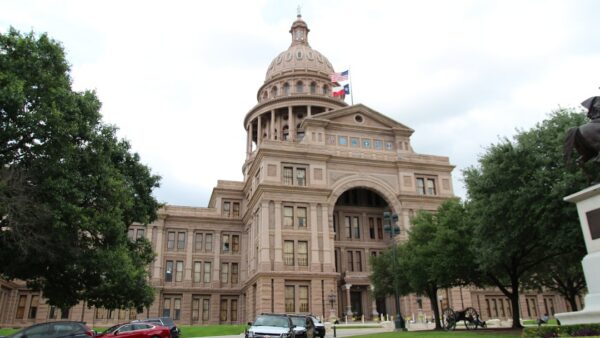
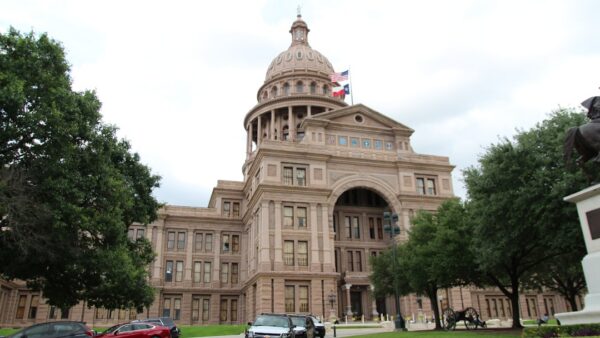
A Travis County judge on April 10 granted a temporary restraining order that blocks enforcement of Texas Department of State Health Services (DSHS) regulations that took effect March 31. The rules had changed how THC levels are calculated in hemp products, a shift that effectively prohibited the sale of smokeable hemp flower, concentrates, and related products across the state.
The lawsuit, filed by Texas cannabis businesses on April 8, argued the regulations exceeded DSHS’s statutory authority and would cause immediate, irreparable harm to thousands of businesses that had operated legally under prior rules.
“These regulations didn’t just tighten the rules — they eliminated an entire product category overnight without legislative approval.” — Plaintiff attorney statement, April 8
What the Rules Changed
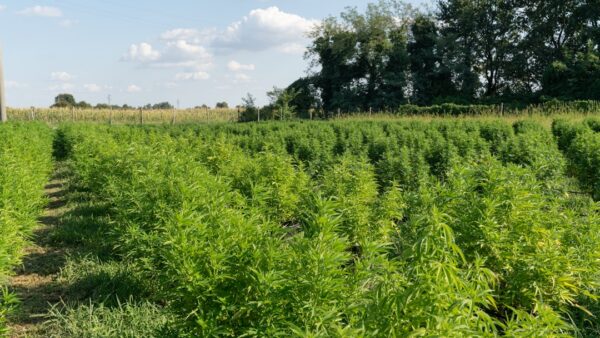
Before March 31, Texas hemp businesses operated under THC calculation methods aligned with the 2018 Farm Bill framework. The new DSHS rules shifted to a total-THC calculation method that captured THCA — a non-intoxicating cannabinoid that converts to THC when heated. Since smokeable hemp flower naturally contains THCA, the calculation change made virtually all flower products non-compliant.
The rules also imposed steep licensing fee increases. Manufacturing permits jumped from $258 to $10,000 per facility. Retail registrations rose from $155 to $5,000. Industry groups called the fee structure a deliberate effort to force small operators out of the market even if their products could somehow meet the new THC thresholds.
The Stakes
The numbers tell the story. Industry consultants estimate the regulations would displace more than 40,000 Texas workers and shutter more than 6,300 businesses. Smokeable hemp products — flower, pre-rolls, concentrates — account for the vast majority of hemp products sold in the state.
Texas had become one of the largest hemp markets in the country following the 2018 Farm Bill. The state’s business-friendly reputation and large consumer base attracted manufacturers, retailers, and distributors who built operations around legal hemp flower sales. The March 31 rules threatened to unwind that entire sector in a single regulatory action.
For many small business owners, the TRO arrived just in time. Several reported they had already begun liquidating inventory and laying off staff in the days between March 31 and the court order.
What Happens Next
The temporary restraining order is exactly what its name suggests — temporary. The court will hold further hearings to determine whether to extend the order as a temporary injunction while the case proceeds. That decision could come within weeks.
The plaintiffs face a substantive legal challenge. They must convince the court that DSHS overstepped its authority — that the legislature, not a regulatory agency, should determine whether entire product categories are permitted or banned. DSHS will likely argue it acted within existing statutory frameworks to protect public health.
The outcome could hinge on how the court interprets the Texas Hemp Farming Act and whether DSHS’s THC calculation methodology represents a reasonable interpretation or an effective ban that only the legislature can impose.
The Federal Backdrop
Texas isn’t acting in isolation. The state’s regulatory crackdown aligns with a broader federal trend. Four states — Pennsylvania, Rhode Island, Texas, and Ohio — have moved to tighten hemp restrictions ahead of the November 2026 federal ban on intoxicating hemp products.
Ohio’s Senate Bill 56 took effect March 20 after voters failed to gather enough signatures for a blocking referendum. The law bans all intoxicating hemp products, including THC and CBD beverages. Pennsylvania and Rhode Island have similar measures advancing through their legislatures.
The federal ban itself, set for November 12, will drop the allowable THC threshold to 0.4 milligrams per container — a standard the U.S. Hemp Roundtable says would eliminate 95% of current products. The House Agriculture Committee advanced the Farm, Food, and National Security Act in March without adopting amendments to delay or repeal the ban.
For Texas businesses, winning the state-level fight may only buy time before the federal hammer falls. But for an industry measured in tens of thousands of jobs, even months of continued legal operation matter.
Product quality and [third-party lab testing](https://safecbd.com/testing-standards) remain the strongest arguments hemp businesses can make for continued market access, whether in court or in legislative hearings. Consumers looking for compliant products can find [updated reviews at CBDProducts.com](https://cbdproducts.com/hemp-flower).