# Can the $28 Billion Hemp Industry Survive November? Inside the Fight Against the Federal Ban
**A federal redefinition of hemp takes effect November 12 and could wipe out most of the products currently on shelves. The industry’s options are narrowing.**
*By CBDWorldNews Editorial Staff | April 15, 2026*
The Numbers at Risk
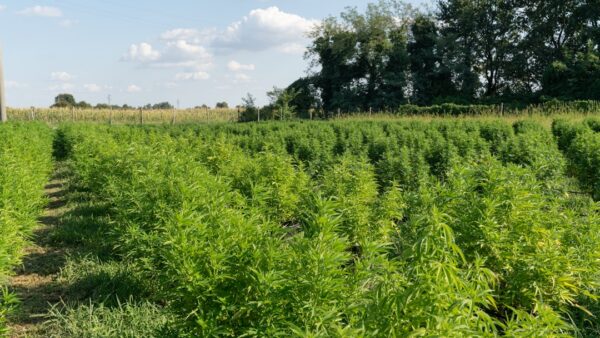
The hemp-derived products industry has grown into a $28 billion market since the 2018 Farm Bill removed hemp from the Controlled Substances Act. THC drinks, edibles, tinctures, topicals, and flower products fill shelves in every state. An estimated 40,000 businesses employ hundreds of thousands of workers across manufacturing, retail, and distribution.
On November 12, much of that goes away.
The 2026 Extensions Act includes a provision that redefines legal hemp products. The new standard: no more than 0.4 milligrams of total THC per container. Not per serving — per container. A single gummy containing a standard 5mg THC dose would exceed the limit by more than tenfold.
The U.S. Hemp Roundtable estimates 95% of hemp-derived consumable products currently on the market would fail the new threshold.
How the Ban Survived the Farm Bill
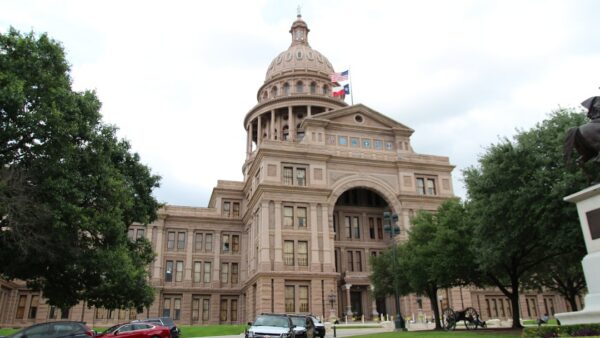
The hemp industry’s best legislative hope evaporated in March. The House Agriculture Committee voted 34-17 to advance the Farm, Food, and National Security Act of 2026 — the latest iteration of the Farm Bill — without adopting any amendments to delay or repeal the intoxicating hemp ban.
Committee Chairman Glenn Thompson (R-PA) ruled hemp product amendments non-germane, arguing that regulating finished hemp products falls under the jurisdiction of the House Energy and Commerce Committee and the FDA — not Agriculture. That procedural decision blocked the most direct path to preserving current market access through the Farm Bill.
“The committee drew a bright line: Agriculture handles cultivation, Energy and Commerce handles what consumers put in their mouths. That split may have sealed the ban’s survival.” — Capitol Hill policy analyst
For hemp advocates, the ruling was a strategic setback. Getting amendments through Energy and Commerce requires building a separate coalition from scratch — different committee members, different lobbying relationships, different political dynamics.
The Bipartisan Delay Attempt
Not everyone in Congress has given up. A bipartisan bill aims to push the ban’s effective date to November 2028, buying the industry two additional years to develop a regulatory framework. Supporters argue that an abrupt ban would destroy legal businesses while doing nothing to address consumer safety concerns — the original rationale for tighter regulation.
The bill has not advanced out of committee. Its prospects depend on whether hemp-state legislators can build enough momentum before the November deadline. With Congress facing a packed legislative calendar, standalone hemp legislation faces stiff competition for floor time.
States Aren’t Waiting
Four states have moved to implement restrictions aligned with or exceeding the federal ban, creating a patchwork of regulations that complicates business planning.
Ohio’s Senate Bill 56 took effect March 20, banning all intoxicating hemp products including THC and CBD beverages. Voters attempted to block the law through referendum but failed to collect enough signatures. Pennsylvania and Rhode Island have similar measures advancing through their legislatures.
Texas imposed new regulations March 31 that effectively banned smokeable hemp products by changing THC calculation methods — though a judge granted a temporary restraining order on April 10 blocking enforcement.
The state-level actions create immediate compliance headaches. A product legal in Colorado might be contraband in Ohio. Manufacturers serving national markets face the choice of reformulating for the strictest state standards or abandoning those markets entirely.
What the Industry Is Doing
Hemp companies are pursuing three survival strategies simultaneously.
**Reformulation.** Some manufacturers are developing ultra-low-THC products designed to comply with the 0.4mg per container threshold. These products would sacrifice potency for legal status. Whether consumers will buy them remains an open question.
**Clinical legitimacy.** The Medicare CBD pilot program that launched April 1 represents a federal endorsement of hemp-derived CBD in healthcare settings. Companies like Cornbread Hemp, cbdMD, and NuLeaf Naturals are pursuing clinical channels that could survive regulatory changes — or at least build the case for a CBD-specific carve-out from the ban.
**Political mobilization.** Industry groups are shifting lobbying resources from Agriculture to Energy and Commerce, targeting committee members in hemp-producing states. The Hemp Beverage Alliance and U.S. Hemp Roundtable are coordinating grassroots campaigns focused on job losses and small business impacts.
The Consumer Impact
For the roughly 50 million Americans who use CBD products regularly, the ban creates practical problems. Products they rely on for sleep, stress management, and general wellness may disappear from shelves or change dramatically in formulation.
Consumers can prepare by [understanding product labels and THC content](https://safecbd.com/reading-labels) — knowledge that will matter as the regulatory landscape shifts. Those concerned about product quality should look for brands that publish [third-party lab results and maintain transparency about formulations](https://cbdproducts.com/lab-tested-brands).
Pet CBD products face the same regulatory threat — an issue [CBDPet.com has been tracking closely](https://cbdpet.com/regulation-updates) as pet parents wonder whether their animals’ supplements will remain available.
The next seven months will determine whether the hemp industry’s remarkable growth story continues or becomes a cautionary tale about building a multi-billion-dollar market on uncertain regulatory ground.