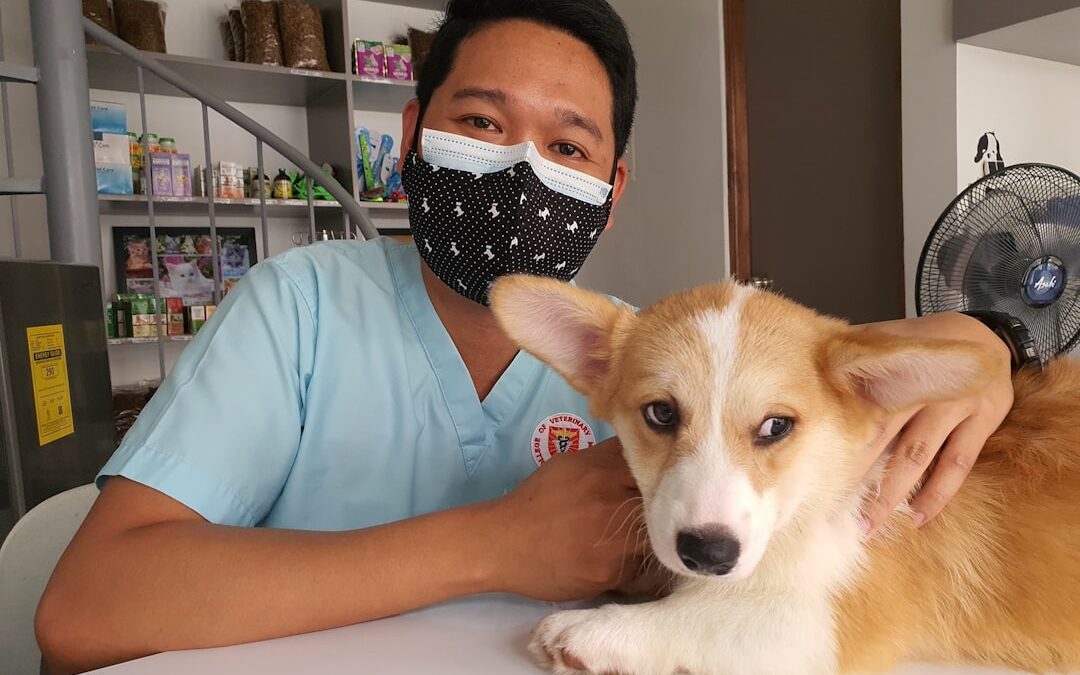
Pet parents in Maryland can now raise cannabis and CBD with their vet without worrying the conversation puts a license at risk.
Maryland’s House of Delegates unanimously passed a bill last month that protects veterinarians from state licensing-board discipline when they discuss cannabis and CBD treatments with pet parents. The measure takes effect July 1. It does not authorize veterinarians to prescribe or dispense cannabis, but it removes a legal gray zone that has kept most practitioners silent.
The legislation passed 138 to 0 in the House. A companion Senate measure cleared the Finance Committee in late March. Governor Wes Moore signaled support. The state’s veterinary community backed the bill after two years of outreach from the Maryland Veterinary Medical Association.
Why the Change Matters
Most state veterinary boards have treated cannabis discussions as a liability. Boards have disciplined vets in several states for recommending hemp-derived CBD, even at low doses and without a prescription claim. That chilling effect has pushed pet parents into online forums and unverified product pages for guidance, rather than into their veterinarian’s exam room.
“Pet parents are using CBD whether we talk about it or not,” said Dr. Rebecca Stinson, president of the Maryland Veterinary Medical Association. “The right answer is to bring the conversation into the clinic where dosing, drug interactions, and product quality can be addressed.”
Industry groups project the Maryland bill will serve as a template. Similar legislation is moving in Virginia, Connecticut, and Minnesota. California passed comparable protections in 2022, and data from that state showed a modest but measurable uptick in veterinary CBD recommendations over the following two years.
What Vets Can and Cannot Do
The Maryland statute permits a licensed veterinarian to discuss potential risks and benefits of cannabis-derived products, including hemp CBD, with a client. The law explicitly prohibits prescribing, furnishing, or dispensing federally scheduled cannabis. It does not authorize telehealth consultations around cannabis for pets.
Practically, that means a vet can tell a client that peer-reviewed studies support a 2-milligram-per-kilogram dose twice daily for osteoarthritis, and can help the client evaluate whether a specific product’s certificate of analysis matches label claims. The vet cannot order the product or accept a commission on the sale.
The Research Backdrop
Veterinary CBD research has accelerated. A Cornell-led study in dogs with osteoarthritis reported meaningful pain-score improvements at 2 milligrams per kilogram given twice daily, with more than 80 percent of dogs showing measurable mobility gains and no observable adverse effects over the study window. A separate large-cohort analysis from the Dog Aging Project tracked roughly 47,000 dogs and found that CBD use is most common in older animals with dementia, arthritis, or cancer diagnoses.
The Dog Aging Project data also surfaced a nuanced finding on behavior. Dogs given CBD products for multiple years were more likely to show aggression at baseline compared with dogs not receiving those products, with the aggression signal easing over time. Researchers cautioned that the effect is correlational and may reflect reverse causation, since pet parents often start CBD after a behavior problem emerges.
Market Implications
Future Market Insights estimates the pet CBD category will reach roughly $600 million globally in 2026, with a compound annual growth rate above 30 percent through the next decade. Veterinary retail remains a small but rapidly growing share of that total. Clinics that sell approved CBD products report higher client retention and larger average transaction values, according to a 2025 Veterinary Hospital Managers Association survey.
Brands are moving to capture clinic shelf space. ElleVet, King Kanine, and VetCS each expanded their veterinary distribution programs in the first quarter. New brands with veterinary advisory boards are launching with clinic-only SKUs and tighter quality controls than retail versions.
What Pet Parents Should Ask
Veterinarians who commented on the Maryland bill suggested pet parents prepare three questions before an appointment. What current medications could interact with CBD. What dose range the research supports for the pet’s weight and condition. What certificate-of-analysis standards the vet considers acceptable.
Drug interaction monitoring matters. CBD inhibits certain liver enzymes that metabolize common veterinary medications, including nonsteroidal anti-inflammatories, some seizure medications, and certain antibiotics. A simple conversation can prevent a problematic combination.
A Quieter National Shift
Maryland is not the first state to act, but the unanimous House vote signals how fast the political ground has moved. Pet parents now hold most of the decision-making power in veterinary medicine. They are younger, more skeptical of blanket clinical guidance, and more willing to self-educate than previous generations. State boards that continue to punish cannabis conversations are losing credibility with the clients their licensees serve.
For dosing guidance grounded in current research, see our CBDPet.com dosing guide for dogs. For pet-product lab testing basics, see SafeCBD.com’s pet COA primer. For product reviews and comparisons across the category, see CBDProducts.com’s pet section.
—
These statements have not been evaluated by the Food and Drug Administration. CBD products are not intended to diagnose, treat, cure, or prevent any disease.