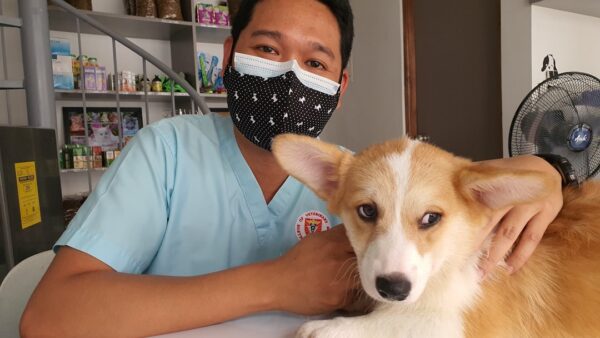
# Maryland Law Shields Veterinarians Who Discuss CBD With Pet Owners
A unanimous Maryland House vote advances a bill that would protect veterinarians from licensing board discipline when they counsel clients on hemp-derived CBD products for their animals.
Author: CBDWorldNews Editorial Staff
Date: April 13, 2026
Maryland is on track to become the latest state to formally protect veterinarians who discuss hemp-derived CBD with pet owners. The state’s House of Delegates unanimously passed the measure in March, and the Senate is now considering the companion bill. If signed into law, Maryland would join California, Michigan, Nevada, New York, and a growing list of other states that have moved to remove the professional risk from veterinary CBD conversations.
The legislation matters because veterinarians have long faced a liability gap. Pet owners routinely ask whether CBD can help with anxiety, arthritis, or seizures in dogs and cats. Until recently, state boards in most jurisdictions either discouraged or were silent on those conversations, leaving practitioners exposed to potential discipline for offering any guidance.
What the Bill Does
The Maryland measure does not authorize veterinarians to prescribe, administer, or dispense cannabis products. It simply prohibits the state licensing board from disciplining a veterinarian solely because that veterinarian discussed hemp-derived CBD or cannabis treatment options with a client. The practitioner’s general standard-of-care obligations remain in force.
That narrow scope is deliberate. Similar bills in California and Nevada took the same approach, protecting the conversation without opening a prescribing pathway that would put veterinarians in conflict with federal law. The American Veterinary Medical Association has endorsed the conversational-protection model while continuing to oppose state licensure to prescribe controlled substances.
Market Context
The pet CBD category has been one of the more resilient segments of the hemp industry. The global pet CBD market is projected at roughly $577 million in 2026 and could reach $5.5 billion by 2034, according to data cited in industry research. Compound annual growth is running above 30%.
Dogs account for the majority of sales, followed by cats and horses. The largest product categories are soft chews, tinctures, and topicals. Leading brands include Pet Releaf, HolistaPet, King Kanine, and Lolahemp, along with the pet lines operated by Medterra and Charlotte’s Web.
“Owners are already buying these products. The question is whether their veterinarian is allowed to help them buy better ones.”
The Federal Shadow
The Maryland bill arrives seven months before Section 781 of the 2026 continuing resolution takes effect on November 12. That provision replaces the 0.3% delta-9 THC standard with a total THC cap of 0.4 milligrams per container. The U.S. Hemp Roundtable estimates roughly 95% of existing hemp-derived products will fall outside the new definition. Pet CBD products, many of which use full-spectrum extracts, face the same compliance cliff as human products.
State-level veterinary protections do not override federal law. They do, however, preserve the professional channel that brands will need if the category survives November’s rule in a smaller, more compliant form. Veterinarians who can legally discuss CBD are also more likely to recommend products with third-party certificates of analysis, proper dosing guidance, and pharmacist-reviewed formulations.
What Veterinarians Want
Practitioners surveyed in recent industry research have identified three priorities. The first is legal clarity on what they can and cannot say. State protection laws address that directly. The second is better evidence, particularly controlled trials of CBD for canine osteoarthritis, epilepsy, and noise phobia. Several university veterinary programs, including Colorado State and Cornell, are running studies in those areas.
The third priority is product quality. Veterinarians remain wary of the wide variation in actual cannabinoid content across retail CBD pet products. Brands that can produce consistent labeling, validated third-party testing, and veterinary-specific formulations have an advantage in the emerging clinical channel.
The Broader State Trend
Maryland’s bill fits a pattern. More than a dozen states have either passed veterinary CBD conversation protections or are actively considering them this session. California went further in 2024 by allowing veterinarians to recommend, though not prescribe, cannabis products. Nevada followed in 2025.
The trend reflects something that industry observers have been noting for years: pet owners are driving the category faster than the regulatory infrastructure can adapt. Roughly 30% of U.S. dog owners report having given their pet a CBD product, according to survey data from Packaged Facts. Most of those purchases happen without veterinary input.
What Happens Next
The Maryland Senate is expected to take up the companion bill in the coming weeks. If the measure passes and is signed by the governor, implementation would likely be immediate since the law simply limits board authority. Industry groups including the National Animal Supplement Council and the American Herbal Products Association have backed the bill.
For pet CBD brands, the Maryland vote is a reminder that the distribution path most likely to survive the November federal cliff runs through the clinic, not the pet aisle. The brands building veterinary relationships now will be the ones still standing when the dust settles.
These statements have not been evaluated by the Food and Drug Administration. CBD products are not intended to diagnose, treat, cure, or prevent any disease.