CBDWorldNews Editorial Staff | May 16, 2026
House Vote Leaves $28 Billion Hemp Industry Without Lifeline
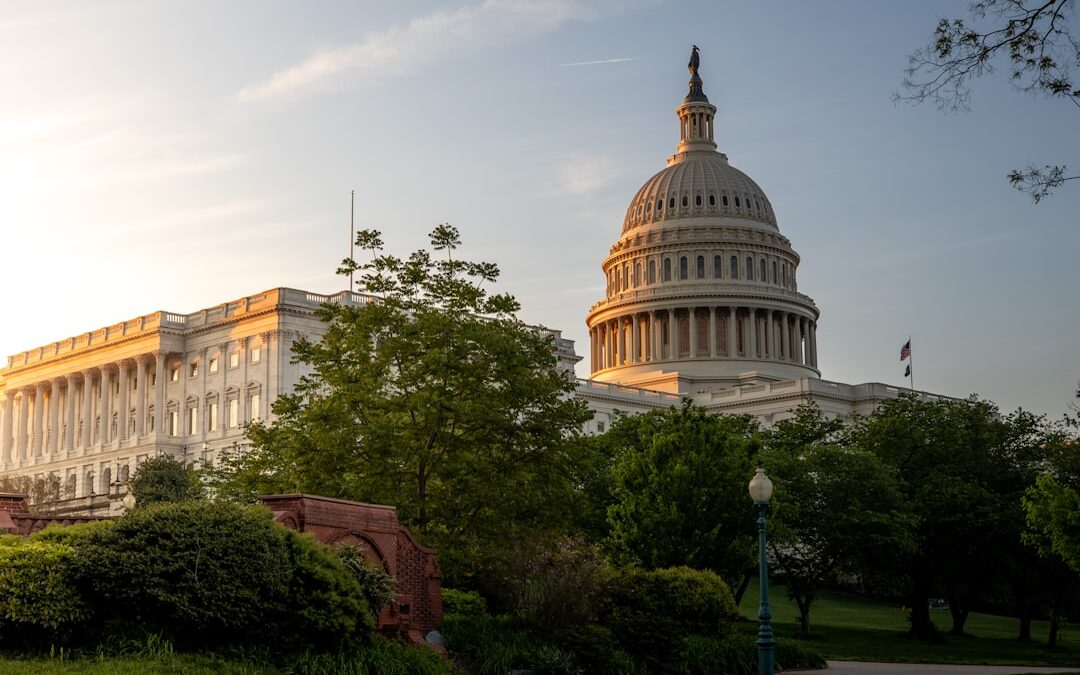
The U.S. House of Representatives voted 224-200 on April 30 to pass the Farm, Food, and National Security Act of 2026. The legislation moved forward without any delay to the federal hemp THC product ban scheduled for November 12, 2026.
Three Republicans broke ranks to vote against the measure. Fourteen Democrats crossed the aisle to support it. What the bill did not include mattered more to the hemp industry than what it did.
“We are watching Congress pass a Farm Bill that simultaneously loosens rules for industrial hemp growers while allowing the federal government to destroy the CBD and cannabinoid marketplace.” — U.S. Hemp Roundtable statement
What the Bill Changes
The 2026 Farm Bill redefines hemp as cannabis testing below 0.3% total THC, including THCA. This replaces the delta-9-only threshold from the 2018 Farm Bill that enabled the explosion of intoxicating hemp products over the past several years.
For industrial hemp growers focused on fiber and grain, the news is mixed-to-positive. The bill directs the USDA to reduce or eliminate testing requirements and background checks for producers growing non-cannabinoid hemp varieties.
But for the cannabinoid sector — which represents the vast majority of the hemp industry’s economic value — the bill offers nothing to prevent the November cliff.
The November 12 Deadline
Section 781 of Division B renders most hemp-derived cannabinoid products federally unlawful starting November 12, 2026. Products containing more than 0.4 milligrams of total THC per serving, or any synthetic or unnatural cannabinoids like delta-8 THC and HHC, become illegal on that date.
The U.S. Hemp Roundtable estimates this eliminates roughly 95% of existing hemp-derived cannabinoid products from the legal marketplace. The organization projects losses exceeding 300,000 jobs and $1.5 billion in state tax revenue.
Amendments Withdrawn Without Explanation
Bipartisan lawmakers had filed amendments to regulate hemp THC products and push back the ban’s effective date. The Hemp Planting Predictability Act, introduced in January, would have deferred the deadline to November 2028 while Congress developed permanent regulations.
But amendment sponsors withdrew their proposals before the House vote. Neither office provided public explanations for the withdrawal. Industry lobbyists told reporters they believed the amendments lacked sufficient vote commitments.
What Happens Next
The Senate now takes up its version of the Farm Bill. Hemp advocates are pinning remaining hopes on the upper chamber, where the Lawful Hemp Protection Act — sponsored by multiple senators — would establish age restrictions, labeling requirements, and FDA oversight of hemp products rather than banning them outright.
The alcohol industry’s Distilled Spirits Council publicly criticized Congress for failing to address the hemp THC issue in the Farm Bill, calling the regulatory vacuum unfair to regulated beverage companies.
Meanwhile, Representative Andy Barr continues pushing his standalone hemp regulation bill. White House officials including Domestic Policy Council Director Vince Haley and legislative affairs assistant James Braid have provided feedback on the draft text.
Industry Implications
The clock now ticks loudly. Hemp businesses face a binary outcome: either standalone legislation passes before November, or the industry contracts dramatically overnight.
For CBD companies selling products below the THC threshold, the direct regulatory impact may be minimal. But the broader market disruption — lost retail partners, reduced consumer confidence, and supply chain upheaval — threatens the entire sector.
Companies already preparing contingency plans include reformulating product lines to fall below the 0.4mg threshold and shifting toward lab-tested, compliant CBD products. The pet CBD segment faces particular uncertainty, as many popular formulations would need significant reformulation.
For consumers seeking products that will remain legal regardless of the outcome, full-spectrum CBD oils and tinctures with verified third-party testing represent the safest option heading into an uncertain fall.
These statements have not been evaluated by the Food and Drug Administration. CBD products are not intended to diagnose, treat, cure, or prevent any disease.


