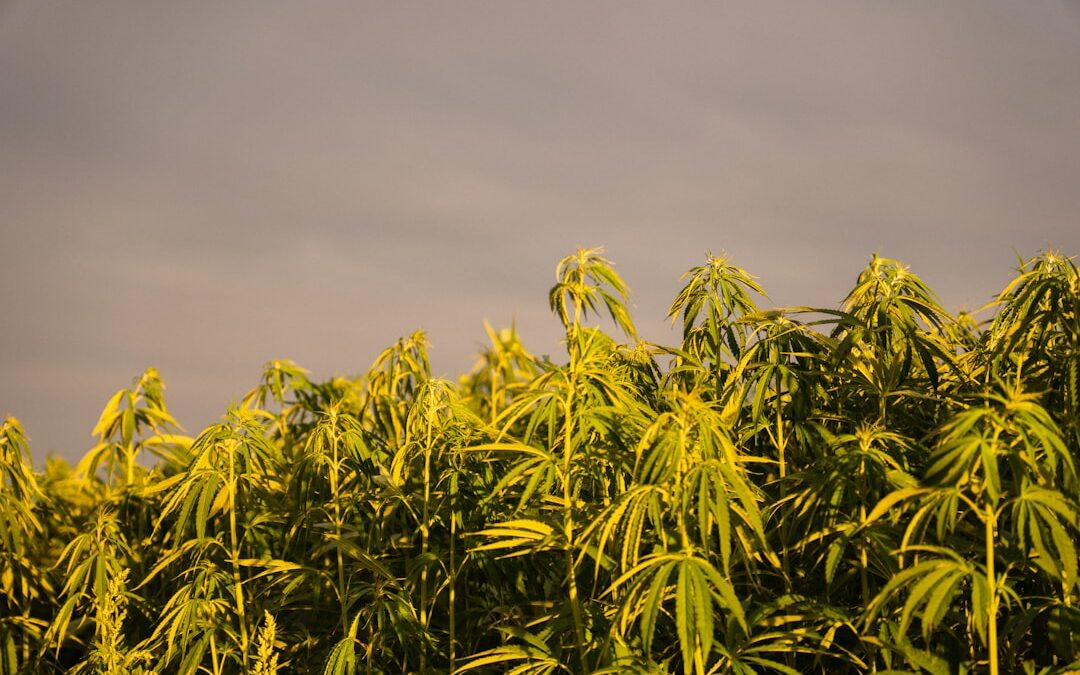
U.S. Hemp Industry Hits $739 Million in 2025, USDA Data Shows 64% Year-Over-Year Surge
The total production value of the U.S. hemp industry climbed to $739 million in 2025, a 64% increase over the prior year, according to data released by the USDA’s National Agricultural Statistics Service. The numbers confirm that domestic hemp farming expanded sharply even as the industry faces a looming federal regulatory deadline that could reshape its future.
Floral hemp drove the bulk of that growth. Open-air floral hemp production reached 33.2 million pounds in 2025, up 60% from 2024 levels. That harvest carried a value of $574 million, accounting for nearly 90% of all outdoor hemp value. Grain hemp production more than doubled, climbing 112% year-over-year to 7.26 million pounds, with its value surging 209% to $8.09 million.
Floral Hemp Dominates the Numbers
The USDA data makes one thing clear: floral hemp is the economic engine of the U.S. hemp industry. At $574 million, open-air floral hemp production dwarfs every other segment. The 60% production increase signals that farmers expanded acreage and yields in response to strong demand from CBD and cannabinoid product manufacturers.
Floral hemp’s dominance reflects the consumer market reality. Products derived from hemp flower, including CBD oils, tinctures, edibles, and smokable flower, generate the highest margins in the supply chain. Farmers growing for the floral market earn significantly more per pound than those producing fiber or grain.
The concentration also carries risk. If regulatory changes restrict the sale of hemp-derived cannabinoid products, the segment that accounts for the vast majority of industry value would take the direct hit. Fiber and grain hemp, while growing, cannot absorb that kind of shock.
Grain Hemp Stages a Quiet Comeback
While floral hemp grabbed the headlines, grain hemp posted the most dramatic percentage gains. Production jumped 112% to 7.26 million pounds. Value surged 209% to $8.09 million. Those are small absolute numbers compared to floral hemp, but the growth rate suggests renewed interest in hemp grain for food, animal feed, and industrial applications.
Hemp grain finds its way into protein powders, hemp hearts, cooking oils, and animal feed formulations. The market for these products has grown steadily as consumer awareness of plant-based protein sources expands. Product options in the hemp grain category have multiplied over the past two years.
The 209% value increase outpacing the 112% production increase also points to rising per-unit prices. Buyers are paying more for hemp grain, which could attract additional farmers to the segment in 2026 and beyond.
Global Market Projections Add Context
The U.S. numbers fit within a broader global growth story. The global industrial hemp market is projected to grow from $3.57 billion in 2026 to $7.95 billion by 2031, according to industry forecasts. That translates to a compound annual growth rate of 17.36%.
Mordor Intelligence projects the market will exceed $7 billion by 2031, with North America holding over 55% of the global market share. The U.S. hemp industry’s $739 million production value positions American farmers and processors as the largest single-country contributors to that North American share.
These projections assume continued market access for hemp-derived products. If major regulatory markets restrict cannabinoid products, the growth trajectory would flatten. The forecasts also assume that industrial applications for hemp fiber, including textiles, building materials, and bioplastics, continue scaling. That segment remains earlier-stage than the cannabinoid market but carries fewer regulatory risks.
The November 2026 Deadline Looms
The growth numbers arrive against a backdrop of regulatory uncertainty. The current federal framework for hemp, established by the 2018 Farm Bill, faces a potential expiration. Legislative proposals circulating in Congress include provisions that could impose new restrictions on hemp-derived cannabinoid products as early as November 2026.
Some proposals would cap THC levels in finished products, restrict certain product formats like edibles and beverages, or impose age-verification requirements similar to tobacco regulations. Any of these changes could disrupt the floral hemp segment that drives 90% of the industry’s outdoor production value.
The irony is hard to miss. The USDA’s own data shows an industry growing at 64% annually, generating hundreds of millions in farm-gate value, while Congress debates whether to curtail the products that make that growth possible.
Industry groups have pointed to the production data as evidence that hemp farming supports rural economies and should receive continued federal support. Opponents argue that the rapid growth of high-cannabinoid hemp products has outpaced the regulatory framework designed to govern them.
What the Numbers Mean for Farmers and Brands
For hemp farmers, the 2025 data validates expansion decisions. Those who planted more floral hemp acreage saw the market absorb the increased supply without a price collapse. Grain hemp farmers found stronger per-unit prices despite doubled production volumes.
For CBD and cannabinoid brands, the production growth means a more robust domestic supply chain. More pounds of floral hemp entering the market should stabilize raw material costs and reduce supply-chain disruptions that plagued the industry during its earlier boom-and-bust cycles.
Brands that prioritize third-party testing and quality verification stand to benefit as the supply base grows. More available biomass means companies can be selective about sourcing, choosing suppliers with consistent cannabinoid profiles and clean pesticide panels.
The $739 million figure also gives the industry a stronger argument in Washington. Production data from the USDA carries weight in agricultural policy debates. Lawmakers representing farming districts will see hemp contributing to their constituents’ livelihoods at a scale that is difficult to dismiss.
Looking Ahead
The U.S. hemp industry enters 2026 with momentum and uncertainty in equal measure. Production is up. Value is up. Farmer participation is expanding. Global forecasts project continued growth for the next five years.
But the regulatory calendar does not care about growth charts. The decisions made in Congress over the next seven months will determine whether the 2025 numbers represent a foundation for long-term industry expansion or a high-water mark before contraction.
The USDA data tells a story of an agricultural sector that is working. Whether policymakers choose to protect it, reshape it, or restrict it remains the open question that will define the hemp industry’s next chapter.
These statements have not been evaluated by the Food and Drug Administration. CBD products are not intended to diagnose, treat, cure, or prevent any disease.


