International CBD Trade: How New Tariffs Are Reshaping Supply Chains and Market Dynamics
The global CBD supply chain is undergoing significant disruption as new tariff regimes reshape international trade relationships. From increased import duties to shifting sourcing strategies, the CBD industry is experiencing a critical inflection point that will define market structure and pricing for years to come.
The Tariff Landscape: What’s Changed
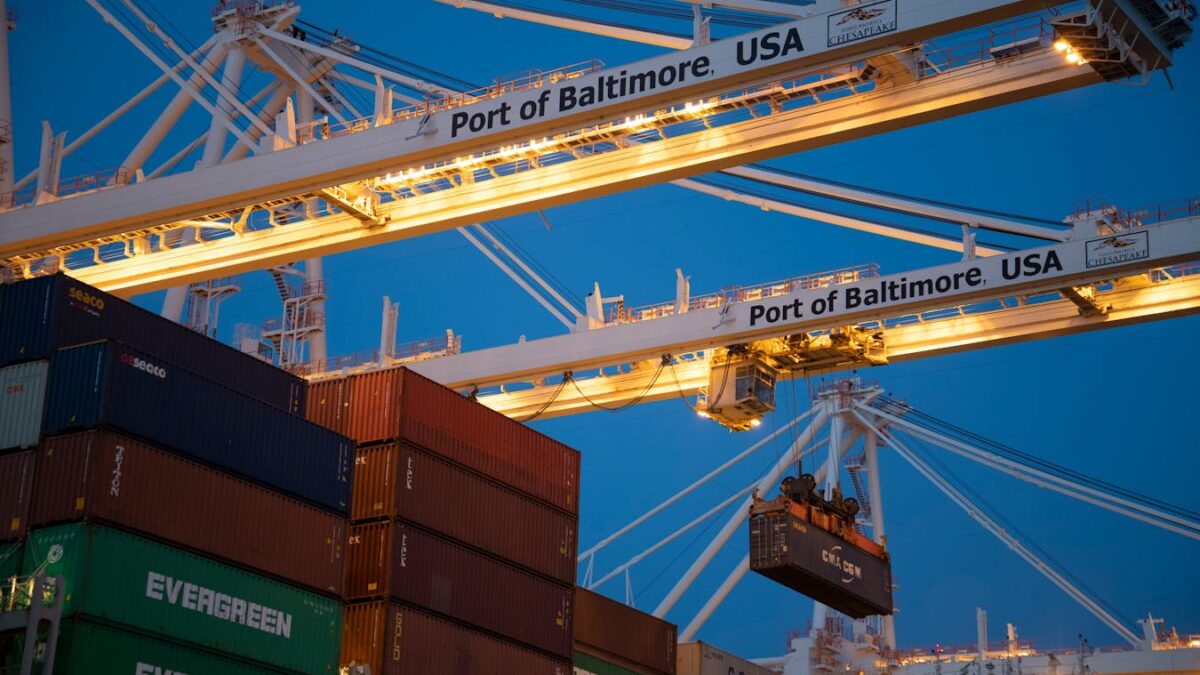
New tariffs on hemp-derived products have been implemented or proposed in multiple jurisdictions, directly impacting CBD producers, processors, and retailers. The United States, European Union, Canada, and emerging markets in Asia are all reassessing tariff schedules for hemp extracts, isolates, and finished CBD products. These tariffs range from modest ad valorem duties to specific taxes that add significant costs to imported goods.
The primary driver of these tariff increases is the desire by governments to protect domestic hemp cultivation and processing industries. Countries that have invested heavily in building local supply chains—including cultivation, extraction, and manufacturing—are implementing protectionist measures to ensure domestic producers can compete against lower-cost international imports.
Additionally, tariff policy serves regulatory purposes. By increasing the cost of imports through tariffs, governments can effectively limit market access and ensure that only compliant products enter their markets. This approach allows regulators to maintain control over CBD supply without explicitly banning imports.
Impact on Supply Chain Structure
The new tariff regime is forcing companies to reconsider where they source hemp, how they extract and process it, and where they manufacture finished products. Several trends are emerging:
Regional Sourcing
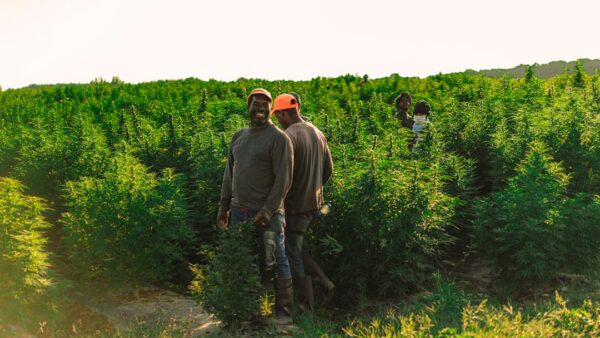
Instead of sourcing hemp globally to find the lowest-cost raw material, companies are shifting to regional sourcing strategies. North American companies are increasingly sourcing hemp from within North America. European brands are prioritizing EU-grown hemp. This shift increases procurement costs but reduces tariff exposure and aligns with “local” or “regional” marketing narratives that appeal to consumers.
Vertical Integration
Companies that previously outsourced extraction or processing are now investing in internal capability. Vertical integration allows firms to keep more of the value chain within a single tariff jurisdiction, reducing exposure to duty rates. This trend is evident among larger CBD brands and mainstream beverage companies entering the market.
Nearshoring of Manufacturing
CBD product manufacturers are establishing or relocating facilities closer to key consumer markets. A company selling into the EU might establish manufacturing operations within the EU rather than importing bulk finished product from third countries. This approach incurs upfront capital costs but eliminates tariff exposure on the final product.
Global Sourcing Challenges
Previously, low-cost hemp-producing regions (such as parts of Asia and Eastern Europe) supplied raw material to global markets. Tariffs on these imports have made previously cost-competitive sourcing uncompetitive. Hemp producers in these regions are experiencing demand pressure, while CBD extractors and manufacturers are seeking alternative supply sources or relocating operations entirely.
The shift is creating winners and losers. Regions with established agricultural infrastructure, technical expertise, and existing regulatory frameworks for hemp (such as Oregon, North Carolina, France, and Romania) are gaining competitive advantage. Regions dependent on exporting raw hemp are facing economic headwinds.
Price Impact and Consumer Implications
Tariffs increase production costs, which are typically passed on to consumers through higher retail prices. CBD consumers in tariff-imposing jurisdictions are seeing CBD beverages, tinctures, and other products increase in price. Some companies are absorbing tariff costs to remain competitive, compressing margins.
The net effect is a bifurcating market: premium local or regional brands positioned as “tariff-free” can command higher prices, while budget-focused brands are struggling to maintain margins. Mid-market brands face the most pressure, as they lack the scale to absorb costs and the premium positioning to justify price increases.
Trade Policy Uncertainty and Strategic Planning
Perhaps the most significant impact of new tariffs is the uncertainty they introduce to long-term planning. CBD companies cannot reliably forecast costs if tariff policy is subject to change. This uncertainty depresses investment in supply chain infrastructure and discourages long-term contracts with suppliers.
Some companies are hedging tariff risk through advance purchasing, locking in current rates before tariffs increase further. Others are diversifying sourcing across multiple countries to distribute risk. These approaches increase short-term costs but provide strategic flexibility.
Regulatory Harmonization Efforts
In response to tariff complexity, some trade groups and multinational organizations are pushing for regulatory harmonization and tariff alignment across trading partners. Efforts to standardize CBD testing, labeling, and classification could simplify trade and reduce tariff-driven friction. However, these efforts face resistance from countries seeking to protect domestic industries.
Emerging Markets and Trade Opportunities
While tariffs in developed markets are rising, some emerging economies are establishing themselves as tariff-advantaged CBD production hubs. Countries with lower labor costs, available agricultural land, and favorable tariff treaties are attracting CBD investment. This geographic shift may create new competitive dynamics as these markets mature and costs decrease.
Long-Term Market Consolidation
The tariff environment is accelerating consolidation in the CBD industry. Larger companies with global supply chains and manufacturing capacity can absorb tariff costs better than small startups. Mergers and acquisitions are increasing as smaller brands seek protection under larger corporate umbrellas. This consolidation is reducing the number of independent CBD brands but increasing the sophistication of remaining players.
FAQs: Navigating CBD Trade in a Tariff-Heavy World
1. How do tariffs affect CBD product prices?
Tariffs increase import costs, which manufacturers pass to retailers and consumers. The effect is most pronounced for imported finished products and raw materials sourced from outside the consumer’s region.
2. What strategies are CBD companies using to mitigate tariff impact?
Companies are pursuing regional sourcing, vertically integrating operations, establishing manufacturing in consumer markets, and diversifying supplier bases to reduce tariff exposure.
3. Which countries are becoming CBD supply leaders due to tariff policy?
Countries with established hemp agriculture and manufacturing infrastructure—such as the U.S. (Oregon, North Carolina), Canada, EU nations (France, Romania), and others—are gaining competitive advantage.
4. Will tariffs on CBD products increase further?
Tariff policy depends on government trade strategy and domestic industry lobbying. Uncertainty is likely to continue, making long-term planning challenging for CBD companies.
5. Are international trade agreements helping reduce CBD tariffs?
Some bilateral and regional trade agreements are addressing CBD tariff schedules, but progress is slow. Harmonization efforts remain limited compared to other agricultural commodities.
Learn more: For comprehensive coverage of CBD industry trends, visit CBD Pet.
FDA Disclaimer: These statements have not been evaluated by the Food and Drug Administration. This product is not intended to diagnose, treat, cure, or prevent any disease.