Texas Smokable Hemp Ban Now in Effect: Retailers Face New Rules and Higher Fees
This article contains affiliate links. If you purchase through our links, we may earn a commission at no extra cost to you.
If you sell or buy smokable hemp in Texas, your world changed on March 31, 2026. The Texas Department of State Health Services has enacted one of the most aggressive smokable hemp bans in the country — pulling hemp flower and smokable extracts from retail shelves statewide while hitting surviving businesses with licensing fees up to 40 times higher than before. For thousands of retailers, the window to adapt was brutally short. For consumers, the legal landscape shifted almost overnight.
This isn’t a slow regulatory drift. It’s a hard line. Texas’s ban on selling smokable cannabis products is now in effect, and the consequences — financial, operational, and market-wide — are already rippling through an industry that employs tens of thousands across the state. Here’s exactly what changed, who it affects, and what legal CBD options remain available to Texas consumers.
What the New Rules Actually Say
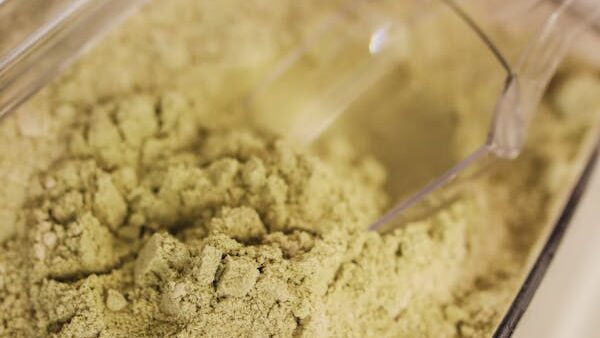
Under the new regulatory framework, the retail sale of smokable hemp flower and smokable hemp extracts is now prohibited in Texas. Simultaneously, the state has imposed dramatically higher licensing fees on the businesses that remain:
- Retailers: $5,000 annually per location
- Manufacturers: $10,000 annually per facility
These figures represent an increase of 33 to 40 times over previous licensing rates — a cost burden significant enough to force smaller operators out of the market entirely. Beyond the fee increases, all consumable hemp products must now feature child-resistant packaging and enhanced warning labels, and a minimum purchase age of 21 is enforced through mandatory point-of-sale age verification.
The Human Cost: Jobs and Businesses at Risk
The scale of disruption is difficult to overstate. Industry consultant Beau Whitney estimates the regulatory changes could displace more than 40,000 workers and directly impact over 6,300 businesses across Texas. Those numbers reflect a wholesale removal of smokable hemp products — historically one of the highest-margin, highest-volume categories in the retail hemp market — from legal commerce in the state’s borders.
For independent retailers who built their businesses around hemp flower and pre-rolls, the ban doesn’t just change their product mix. For many, it eliminates their primary revenue driver with almost no runway to pivot.
What Remains Legal: Non-Smokable CBD Products
Not everything is off the table. Non-intoxicating CBD products — including oils, tinctures, capsules, edibles, and topicals — appear to remain legally available under Texas’s updated rules. However, retailers operating in this space are not exempt from the new compliance requirements. Enhanced packaging, updated warning labels, and age-verification protocols now apply across all consumable hemp product categories.
For consumers, this means legal access to CBD continues through non-smokable formats. For retailers, it means a thorough inventory audit and compliance overhaul is non-negotiable, regardless of whether smokable products were part of their lineup.
The Compliance Crunch: Almost No Time to Adapt
The March 31 enforcement date gave many retailers fewer than three weeks from the time final rules were widely communicated to implement entirely new operational systems. Businesses were required to secure updated retail licenses, install qualifying age-verification systems, and source compliant packaging — all before the deadline. Those who failed to comply faced immediate exposure to regulatory violations and potential license forfeiture.
The compressed timeline has drawn sharp criticism from industry groups, who argue that even well-resourced retailers struggled to meet every requirement within the window provided.
Verdict: A Pivotal Moment for the Texas Hemp Market
Texas’s smokable hemp ban is not a warning shot — it’s a structural reset. The state has made its position unambiguous: smokable cannabis products have no place in its legal retail market, and the businesses that remain face a significantly higher cost of compliance. With more than 6,300 businesses affected and tens of thousands of jobs at risk, the downstream effects on the Texas hemp economy will be measurable and lasting.
For consumers who rely on hemp-derived CBD for wellness support, the path forward is through non-smokable formats — oils, tinctures, topicals, and edibles that remain accessible under current rules. For retailers, survival in the Texas market now demands rigorous compliance, higher operating costs, and a product strategy built around what the state permits, not what it once allowed.
The regulatory momentum in Texas may also foreshadow similar moves in other states. If you’re operating in the hemp space anywhere in the country, this is the case study to watch.
These statements have not been evaluated by the Food and Drug Administration. CBD products are not intended to diagnose, treat, cure, or prevent any disease. CBDworldnews.com reports on the CBD industry for informational and news purposes only. Nothing on this site constitutes medical advice. Always consult a qualified healthcare professional before making any medical decisions.